What Years in Publishing and Marketing Taught Me About Visibility, Authority and Editorial Advertising
For years, I have had the unusual advantage of seeing visibility from two very different sides.
As Editor-in-Chief of INLOVE Magazine, I have watched people, businesses, physicians, hospitality brands, entrepreneurs and talent seek editorial exposure because they understand that being seen in the right environment changes perception.
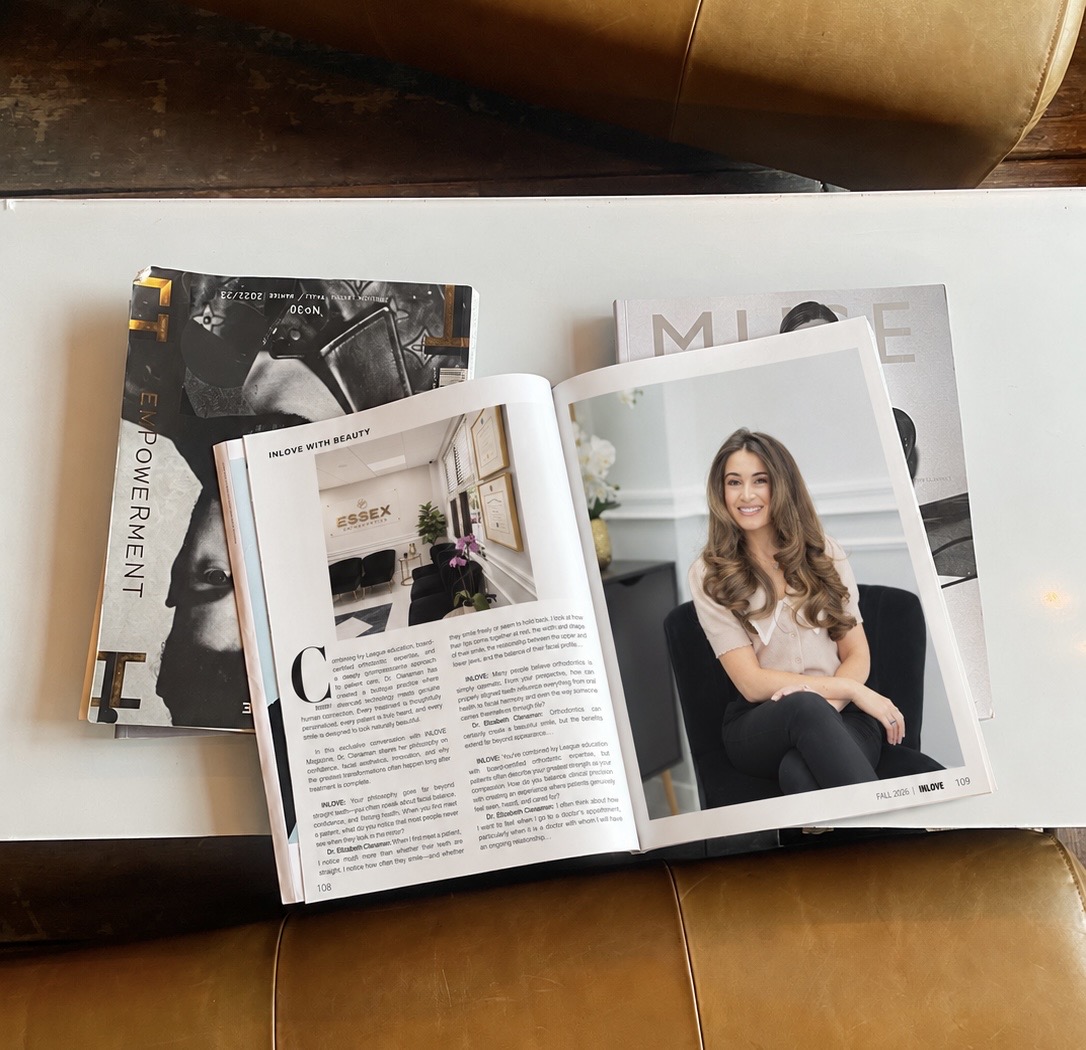
Why Lifestyle Magazine Advertising Builds Authority
At the same time, as Founder and Creative Director of INLOVE Creative Agency, I work directly with businesses on digital marketing, search visibility, positioning, content strategy and long-term brand development.
Running these two worlds side by side has taught me something important:
Visibility alone is not enough.
Where you are seen, how you are presented and what people understand about you after discovering you matter just as much as the exposure itself.
Lifestyle magazine advertising:
This is why I have become such a strong believer in thoughtful lifestyle magazine advertising when it is approached as positioning rather than simply purchasing space.
For brands that want more than temporary exposure, lifestyle magazine advertising can become part of a much broader authority-building strategy.
Traditional advertising tells people what you sell.
Editorial storytelling helps people understand who you are.
And that difference can completely change how a brand is perceived.
Advertising Has Changed
Years ago, advertising was relatively straightforward.
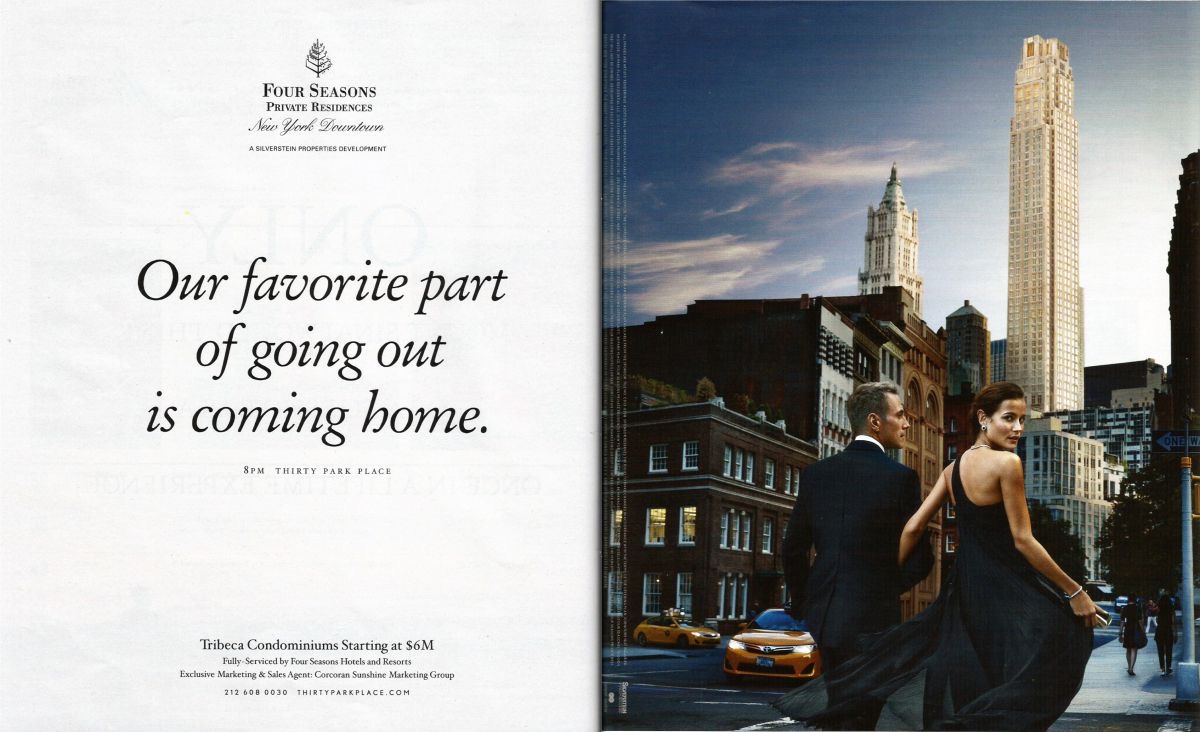
A business purchased an advertisement in a publication. The logo appeared. A photograph appeared. Perhaps there was a headline, a phone number and a website.
The objective was exposure.
The strongest lifestyle magazine advertising does not interrupt the reader; it gives the reader a reason to become interested.
That still has value, but audiences today consume information differently.
People research.
They compare.
They read reviews.
They search Google.
They look at Instagram.
They watch videos.
They ask AI platforms questions.
They search the founder, physician or company name independently before making a decision.
As a result, one advertisement rarely tells the whole story.
A strong brand now needs context.
It needs authority.
It needs search visibility.
And, most importantly, it needs a story people can remember.
That is where editorial advertising becomes much more powerful.
Why Lifestyle Magazine Advertising Builds Authority
Digital luxury lifestyle magazine advertising
Lifestyle magazine advertising is particularly effective when the feature connects editorial storytelling with search visibility and long-term digital presence.
The real value of lifestyle magazine advertising is not simply placement inside a publication.
It is association.
A thoughtfully positioned brand benefits from the environment in which it appears.
When a physician, hotel, restaurant, entrepreneur, designer, beauty expert or luxury business is presented alongside established editorial content, culture, fashion, travel, entertainment and recognizable personalities, the context itself communicates something.
It says:
This person belongs here.
This business is worth knowing.
This brand has a story.
This is very different from interruptive advertising.
Good editorial positioning invites the reader into the story rather than demanding attention from them.
That is why I always tell clients that the goal should not be to look like an advertisement.
The goal should be to look like a story worth reading.
People Connect With Stories Before They Connect With Services
Readers rarely remember a list of services.
They remember people.
They remember perspective.
They remember emotion.
They remember an interesting journey or an idea they had not considered before.
That is why one of the most valuable things a publication can do for a business is reveal the person or philosophy behind it.
For a physician, that may mean explaining why they chose their specialty, how they approach patient care or what differentiates their philosophy.
For a restaurant owner, it might mean telling the story behind the concept, the food, the neighborhood or the experience they wanted to create.
For a hotel or destination, it may be the feeling of arriving there.
For a founder, it can be the story behind building the company.
This is where lifestyle magazine advertising becomes something much more sophisticated than a traditional advertisement.
The story creates context.
Context creates familiarity.
And familiarity is one of the first steps toward trust.
Authority Is Often Built Before Someone Contacts You
One of the biggest lessons I have learned through marketing medical professionals is that people often decide how they feel about a doctor before they ever call the office.
The same thing happens with luxury brands, hotels, restaurants and professional services.
Before contacting a business, people are gathering evidence.
They search the name.
They look at the website.
They look at Google.
They examine photographs.
They read features and reviews.
They look for signs that the person or company is established.
That means authority is being built—or lost—long before the first conversation.
An editorial feature can become part of that authority ecosystem.
When someone searches a name and discovers a professionally written article, interview or magazine feature, it adds another layer of credibility to everything else they have already seen.
This is why I never look at a magazine feature as an isolated piece of publicity.
I look at how that feature functions inside the entire digital presence of the person or business.
Editorial Advertising Should Never Feel Generic
INLOVE has never interested me as a place for ordinary commercial advertising.
There are already countless places to purchase an ad.
What interests me is creating something a brand would actually be proud to share.
A strong sponsored editorial feature should have the same visual and storytelling standards as the rest of the publication.
It should be beautifully photographed.
It should have an interesting headline.
It should reveal something meaningful.
It should provide information that is useful or enjoyable to the reader.
And it should still clearly identify itself as sponsored content when appropriate.
The fact that content is paid does not mean it has to feel disposable.
In fact, I believe the opposite should be true.
If a business is investing in lifestyle magazine advertising, the final result should become an asset that continues working after the original publication date.
Digital Editorial Has Changed the Value of Magazine Exposure / Condé Nast Traveler
Print advertising once had a defined lifespan.
A magazine was published. Readers saw the advertisement. Eventually, a new issue replaced it.
Digital publishing has changed that model.
A well-constructed editorial feature can remain searchable online.
It can be shared through social media.
It can be linked from a website.
It can be included in a newsletter.
It can appear when someone searches a person’s or company’s name.
It can support sales presentations, professional biographies, physician profiles and business-development efforts.
This creates longevity.
A beautiful digital article does not necessarily disappear when the campaign ends.
It becomes part of the brand’s searchable history.
That is one of the reasons lifestyle magazine advertising can be especially valuable when the content is created with digital visibility in mind.
The publication is no longer simply selling space.
It is creating an asset.
A Traditional Advertisement and an Editorial Feature Do Different Jobs
I do not believe every advertisement needs to become an article.
Traditional advertising still has a purpose.
It can build recognition.
It can announce a launch.
It can promote an event.
It can create visual awareness.
But editorial performs a different job.
A traditional advertisement says:
Look at us.
An editorial feature says:
Here is why this is interesting.
An interview creates connection.
A profile establishes context.
An expert article demonstrates knowledge.
A hospitality feature helps someone imagine an experience.
An editorial story gives the audience more reasons to stay, read and remember.
The strongest campaigns often combine these elements rather than depending on one format.
What I Look for When Advising a Brand
When someone approaches INLOVE about exposure, my first question is never simply, “What do you want to advertise?”
I want to understand what needs to change in the audience’s perception.
Does the company need more visibility?
Does the founder need stronger authority?
Does the doctor need to become better known for a particular procedure or specialty?
Does a hotel need to tell a story that distinguishes it from dozens of other beautiful hotels?
Does a restaurant need to communicate an experience rather than simply show food?
Does an entrepreneur need people to understand the person behind the business?
Those questions determine what kind of content should be created.
Sometimes the answer is a profile.
Sometimes it is an interview.
Sometimes it is a feature built around expertise.
Sometimes it is a destination story.
Sometimes it is a combination of editorial content, photography, video and social amplification.
Effective lifestyle magazine advertising should begin with strategy, not with the size of an advertisement.
The Visual Environment Matters
As an editor, I pay enormous attention to presentation because people make decisions visually before they have read a single paragraph.
Photography matters.
Typography matters.
Layout matters.
The surrounding editorial environment matters.
A beautifully positioned feature can elevate perception before the reader even begins reading.
This is particularly important for luxury, hospitality, beauty, aesthetic medicine, plastic surgery, dentistry, fashion and personal brands.
When a service is highly visual or highly personal, poor presentation can weaken credibility immediately.
The opposite is also true.
Editorial presentation can make someone stop.
It can make them curious.
It can encourage them to learn more.
Visual storytelling is not decoration.
It is part of positioning.
Physicians Have a Particularly Strong Opportunity
Medical marketing has taught me how important authority is when the product being chosen is expertise.
Patients are not simply buying a service.
They are choosing a person.
For physicians, founders and hospitality brands, lifestyle magazine advertising can help create recognition before the first direct interaction ever happens.
This is especially true in plastic surgery, dermatology, dentistry, endodontics, orthodontics, aesthetic medicine and other specialties where expertise, trust and reputation strongly influence the decision.
A physician feature should therefore do more than list treatments.
It should communicate expertise.
It should explain philosophy.
It should educate.
It should humanize the physician without diminishing professional authority.
When patients later encounter that doctor’s website, Google profile, social media content or professional listings, the editorial feature reinforces what they are already seeing.
This is the difference between exposure and positioning.
A well-produced lifestyle magazine advertising feature should continue supporting the brand long after the issue is published.
Hospitality Brands Need Emotion as Much as Information
Hospitality works differently, but the principle is similar.
People rarely choose a restaurant, hotel or destination based only on facts.
They choose based on anticipation.
What will this place feel like?
Who goes there?
What will I experience?
Why is it special?
Editorial storytelling is particularly powerful in hospitality because it gives the reader an opportunity to experience the brand before physically arriving.
Beautiful photography can establish atmosphere.
A story can reveal the concept.
An interview can introduce the founder or chef.
Video can communicate movement, sound and energy.
Searchable editorial content can continue attracting attention long after the initial feature is published.
For hospitality brands, lifestyle magazine advertising works best when it makes the reader want to become part of the experience.
Visibility Must Connect Across Platforms
Another lesson from running both a publication and a marketing agency is that isolated marketing rarely performs as strongly as connected marketing.
An editorial feature should not sit alone.
It should connect to the website.
It should be shared through social media.
It should support Google visibility.
It should strengthen search results around the person or brand.
It should provide material for newsletters.
It should create content that can be repurposed into smaller stories, quotations, videos and social posts.
When all of those elements reinforce one another, visibility compounds.
This is why lifestyle magazine advertising works best when it is treated as positioning rather than simply paid placement.
Someone may first encounter the brand on Instagram and later discover the feature through Google.
Someone else may read the feature first and then visit the website.
Another person may see a social post, recognize the magazine name and become curious.
There is no longer one single path to discovery.
That is why I believe marketing must be designed as an ecosystem.
Search Has Made Editorial Longevity More Important
Editorial content today should also be created with search behavior in mind.
That does not mean writing awkward articles filled with repetitive keywords.
It means making the content clear enough for both people and search platforms to understand.
Who is being discussed?
What are they known for?
Where are they located?
What industry are they part of?
What expertise or experience does the article provide?
Strong editorial structure can help search engines understand the subject while still preserving the sophistication of magazine writing.
This matters even more as discovery expands beyond traditional Google search into AI-assisted search experiences.
A well-written, authoritative feature gives digital systems more meaningful context about a person, company or brand.
That is another reason I view editorial content as a long-term digital asset.
Advertising Should Strengthen Reputation, Not Only Produce Impressions
Marketing reports often focus on numbers:
views
impressions
clicks
followers
engagement
Those metrics matter.
But they do not tell the complete story.
A business can receive thousands of impressions without meaningfully improving how people perceive it.
For certain brands, particularly professional, luxury and medical businesses, reputation is just as important as reach.
The question should therefore not only be:
“How many people saw this?”
It should also be:
“What did seeing this make them believe about the brand?”
That is where thoughtful editorial advertising has an advantage.
It can shape perception while creating visibility.
Not Every Brand Needs the Same Story
One of the mistakes I see frequently in marketing is copying whatever appears to be working for someone else.
A physician sees another doctor posting constantly and assumes they need the same strategy.
A restaurant sees a viral hospitality account and attempts to recreate it.
A founder reads a profile of another entrepreneur and wants an identical feature.
But strong positioning requires specificity.
What is interesting about you?
What is different about your expertise?
What story can only your business tell?
Good editorial marketing finds that answer and builds from there.
The goal is not to look like everyone else.
The goal is to make your own value easier to understand.
What INLOVE Does Differently
At INLOVE, our approach has never been about filling pages with generic advertisements.
The publication is built around people, culture, style, entertainment, beauty, travel, hospitality and expertise.
That environment allows us to create sponsored editorial features that feel integrated into the publication while still maintaining transparency around commercial partnerships.
Depending on the story, that may include:
editorial profiles
sponsored interviews
expert features
brand stories
hospitality features
digital magazine placement
professional photography
video content
social media amplification
searchable digital articles
The objective is not simply to place a brand inside INLOVE.
The objective is to create something that strengthens the way the brand is perceived outside INLOVE as well.
That is what makes lifestyle magazine advertising most valuable to me.
My Advice After Years on Both Sides of the Business
If you are considering advertising in a publication, do not begin by asking only about circulation, placement size or the number of social followers.
Ask what will actually be created.
Will the content tell your story?
Will it look beautiful?
Will it be searchable?
Will it remain online?
Can you share it?
Will it strengthen what someone sees when they research you?
Does the publication’s audience and visual identity make sense for your business?
Will the feature build authority, not simply visibility?
The answers to those questions tell you far more about the long-term value of an editorial partnership.
A traditional advertisement can create recognition.
A strong editorial feature can create understanding.
An interview can create connection.
A searchable digital article can create longevity.
And when those elements work together, advertising becomes something much more valuable than space on a page.
It becomes positioning.
Visibility Is Most Powerful When It Has Meaning
After years of working in publishing and marketing simultaneously, this is probably the lesson I return to most often:
Being visible is not the same as being positioned.
Anyone can purchase attention.
The harder task is creating the right perception once that attention arrives.
That requires consistency.
It requires storytelling.
It requires a clear point of view.
And it requires understanding what you want someone to remember after they encounter your name.
For INLOVE, that is where publishing and marketing naturally meet.
We create visibility, but the real objective is authority, context and a story that continues working long after the first impression.
For brands that understand that difference, lifestyle magazine advertising is not simply advertising.
It is part of building a reputation.
Lifestyle magazine advertising with INLOVE
From an editor’s perspective, lifestyle magazine advertising is most effective when the story feels valuable even without the promotional message.
When executed thoughtfully, lifestyle magazine advertising becomes part of a brand’s long-term digital authority rather than a temporary campaign.
Contact Us for editorial partnerships
~ Elena Vasilevsky