Inside the Rebirth of The Frick Collection: Vermeer, Velvet, and the Art of Living Well
There are places in New York City where time folds like silk—where the present hushes, and beauty reigns in quiet, confident splendor. For me, that sacred space has always been The Frick Collection. A sanctuary of stillness and grandeur, of candlelit shadows and masterworks that seem to breathe. This spring, after years of careful transformation, the beloved museum has reopened its doors—restored, reimagined, and utterly resplendent.
It is not simply a reopening. It is a renaissance.
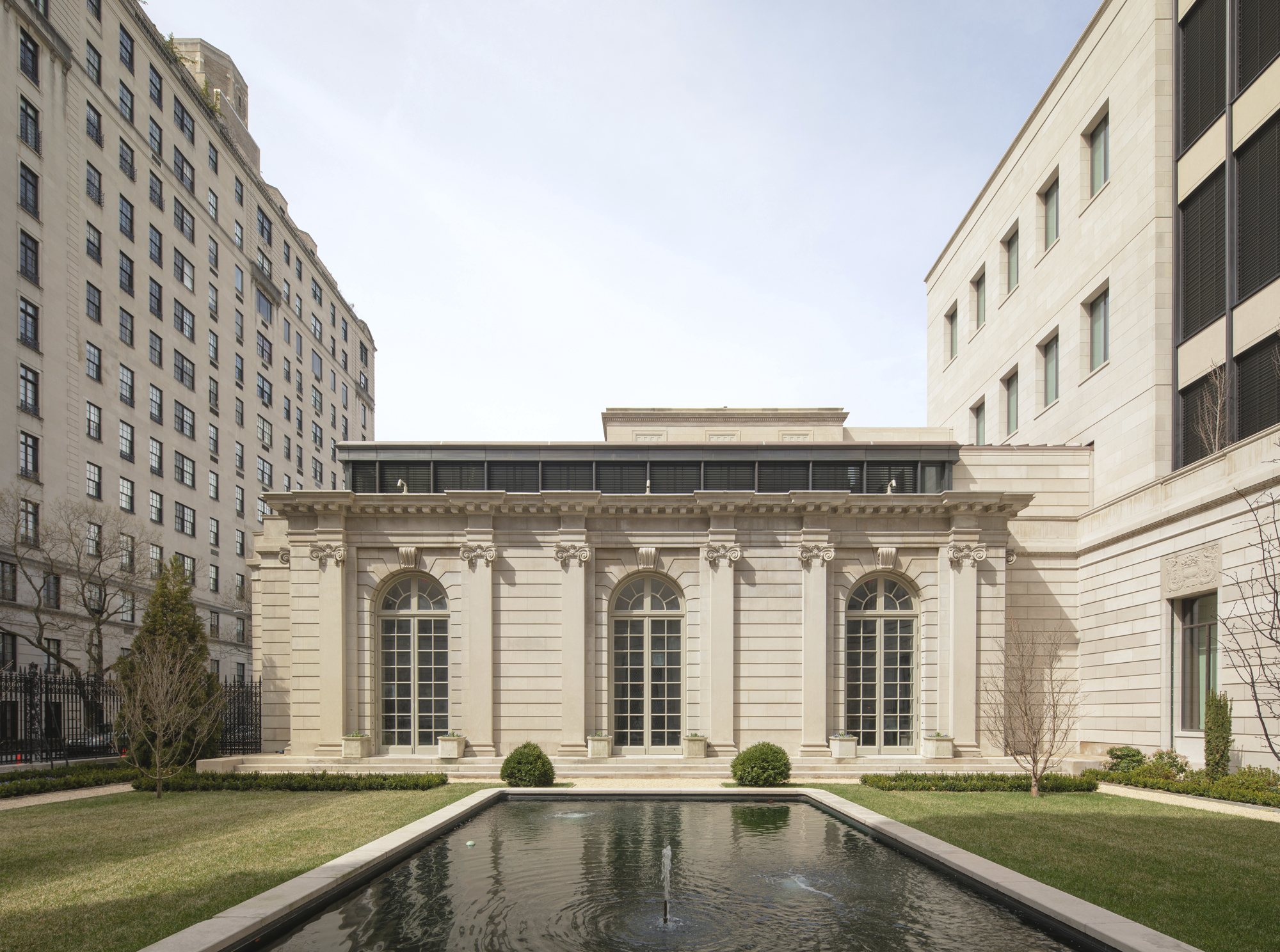
Stepping onto East 70th Street, one feels the shift immediately. The museum’s iconic neoclassical façade greets you with its familiar grace, but behind its limestone walls, a new era has dawned. Designed by Selldorf Architects with reverence and restraint, the Frick’s first comprehensive renovation in nearly a century has expanded not only its footprint but its soul. This is the Frick as it always was—and yet more open, more luminous, more alive.
A Return to Intimacy
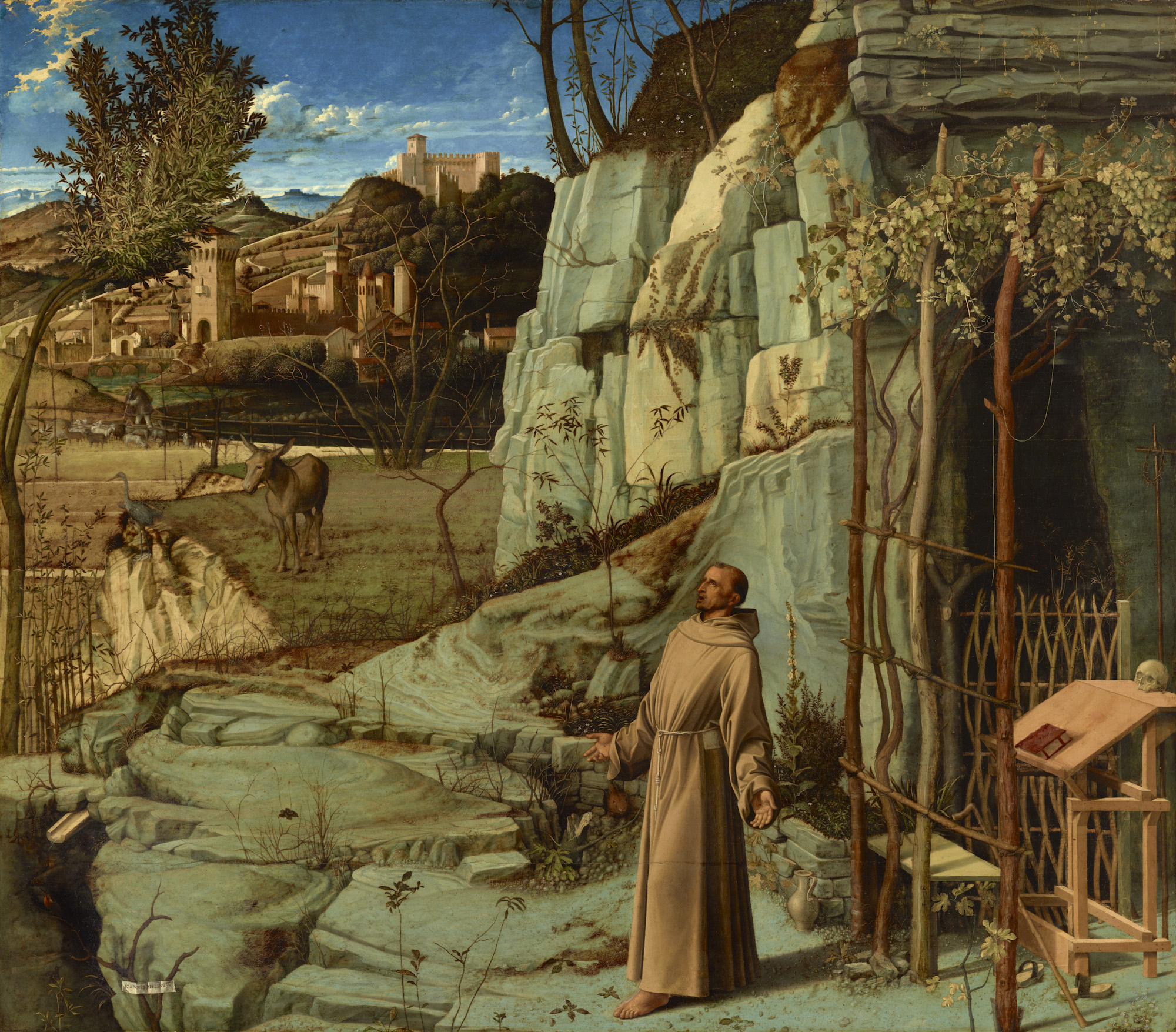
From the very first step into the expanded Reception Hall—now elevated by seven feet to reveal a better view of the lush 70th Street Garden—you sense a story being told not only by the art but by the architecture itself. Marble gleams. Natural light dances. Air moves freely through the space, inviting curiosity and contemplation. The newly created Westmoreland Café, perched like a jewel box above the gardens, beckons guests to pause, reflect, and taste the elegance of another time.
The Frick’s reawakening is not loud. It does not shout. It whispers in Vermeer’s hush of light, in the gentle gleam of Botticelli gold, in the cadence of footsteps echoing in new exhibition halls that blend past and present like brushstrokes on silk.
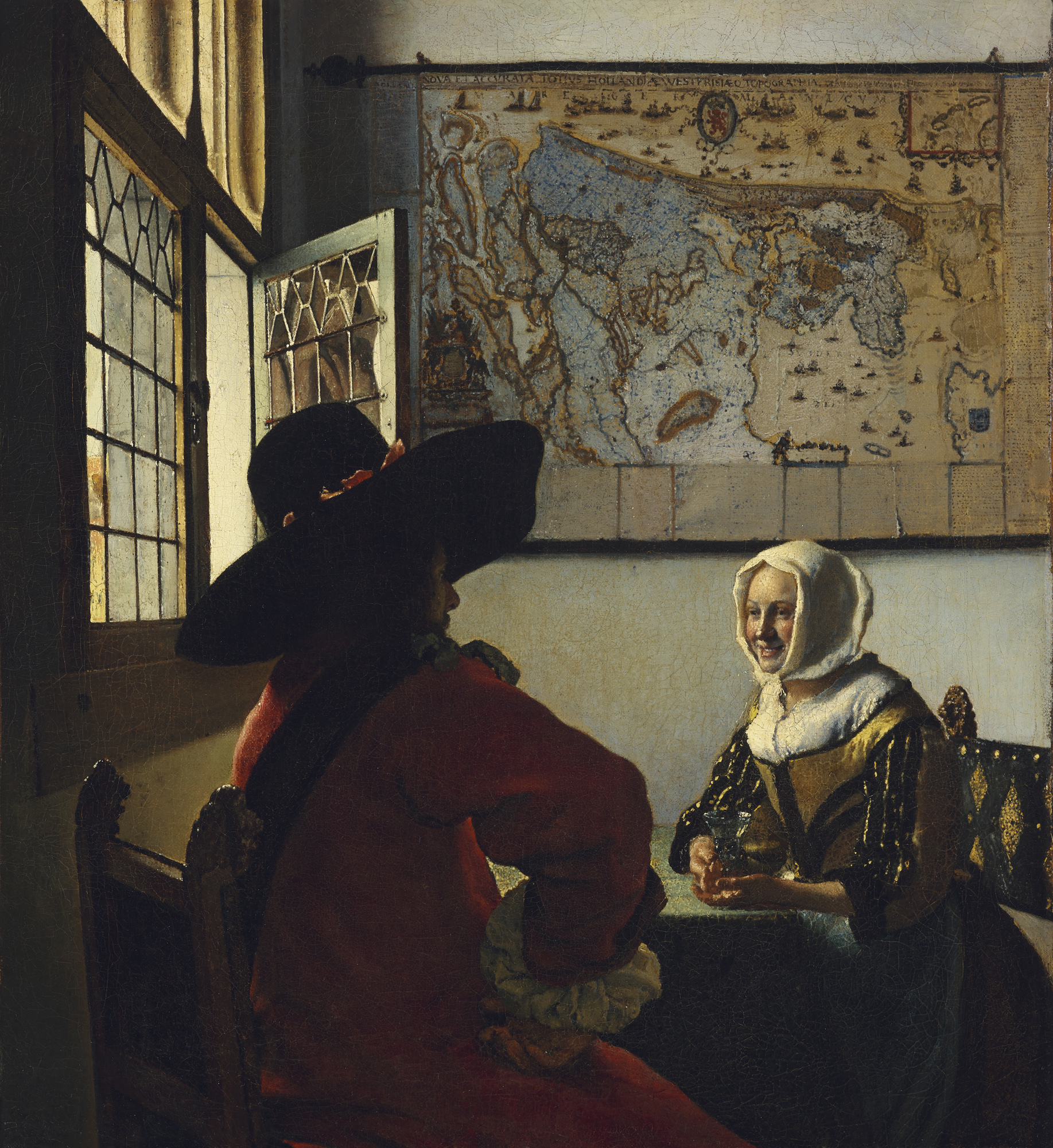
As an editor, I’ve had the honor of telling countless stories. But this—this is a love letter. To a museum that has always stood still while the world rushed by. To a place where beauty endures and evolves. And now, with the unveiling of Vermeer’s Love Letters, it opens its heart even further. Among the many treasures housed within the Frick, it is the delicate, luminous works of Johannes Vermeer that have always held my heart. There’s something alchemical about the way he captures light—how a beam through a window can turn a quiet domestic moment into a universe of emotion. In Vermeer’s Love Letters, every glance, every folded note, every satin sleeve becomes a symphony of intimacy. His paintings do not shout for attention; they whisper secrets, inviting you to lean in closer, to listen. They remind us that tenderness is power, and that stillness—when framed with such exquisite detail—can be the most moving story of all. Vermeer, more than any other artist, teaches us how to see not just with our eyes, but with our souls.
The Rebirth of the Museum Itself
But the story of the Frick’s return is about more than any single exhibition. It is about space—physical, intellectual, and emotional. With 30% more gallery space and entire new wings now open to the public for the first time, the museum has grown not by reinventing itself, but by returning home.
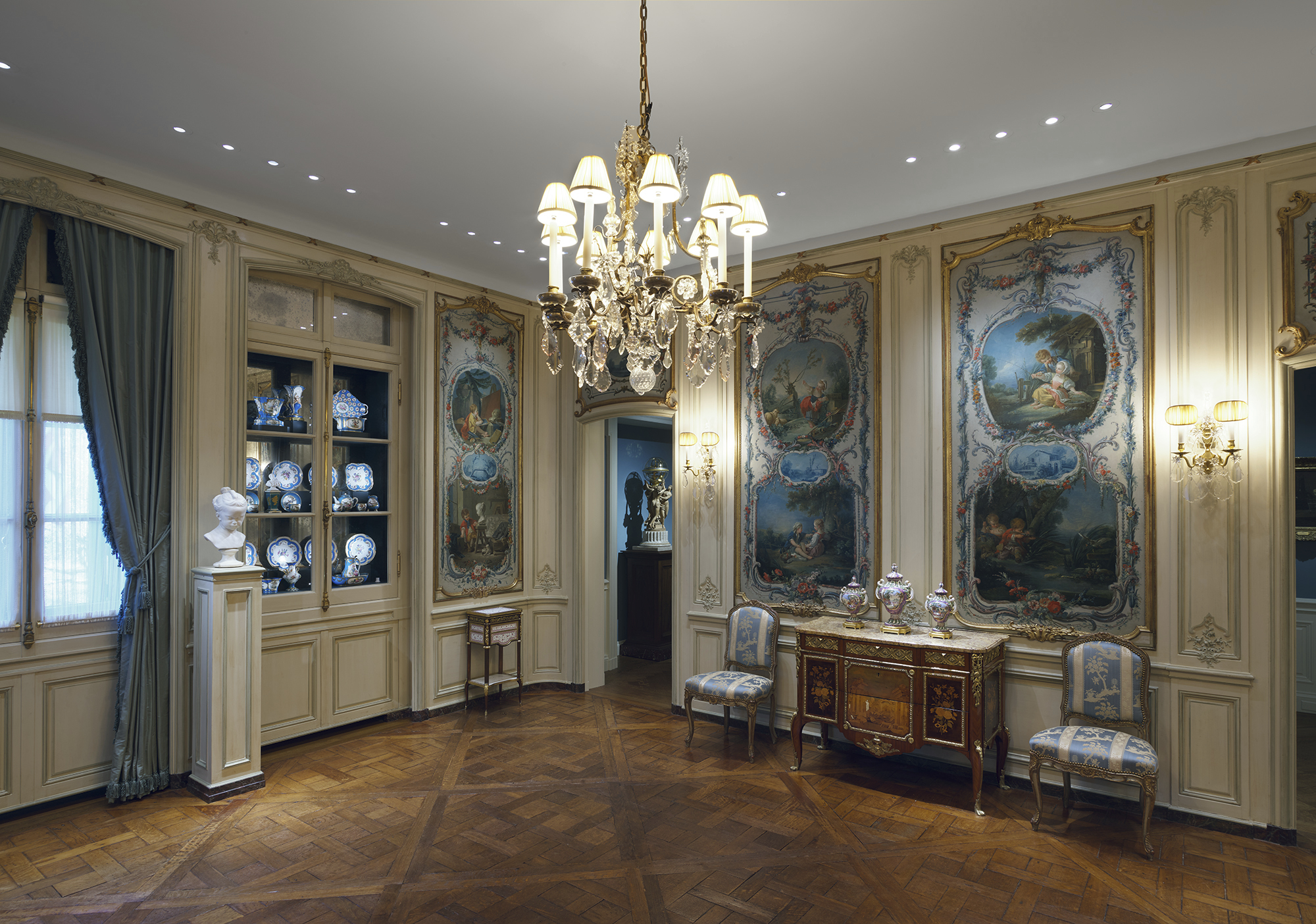
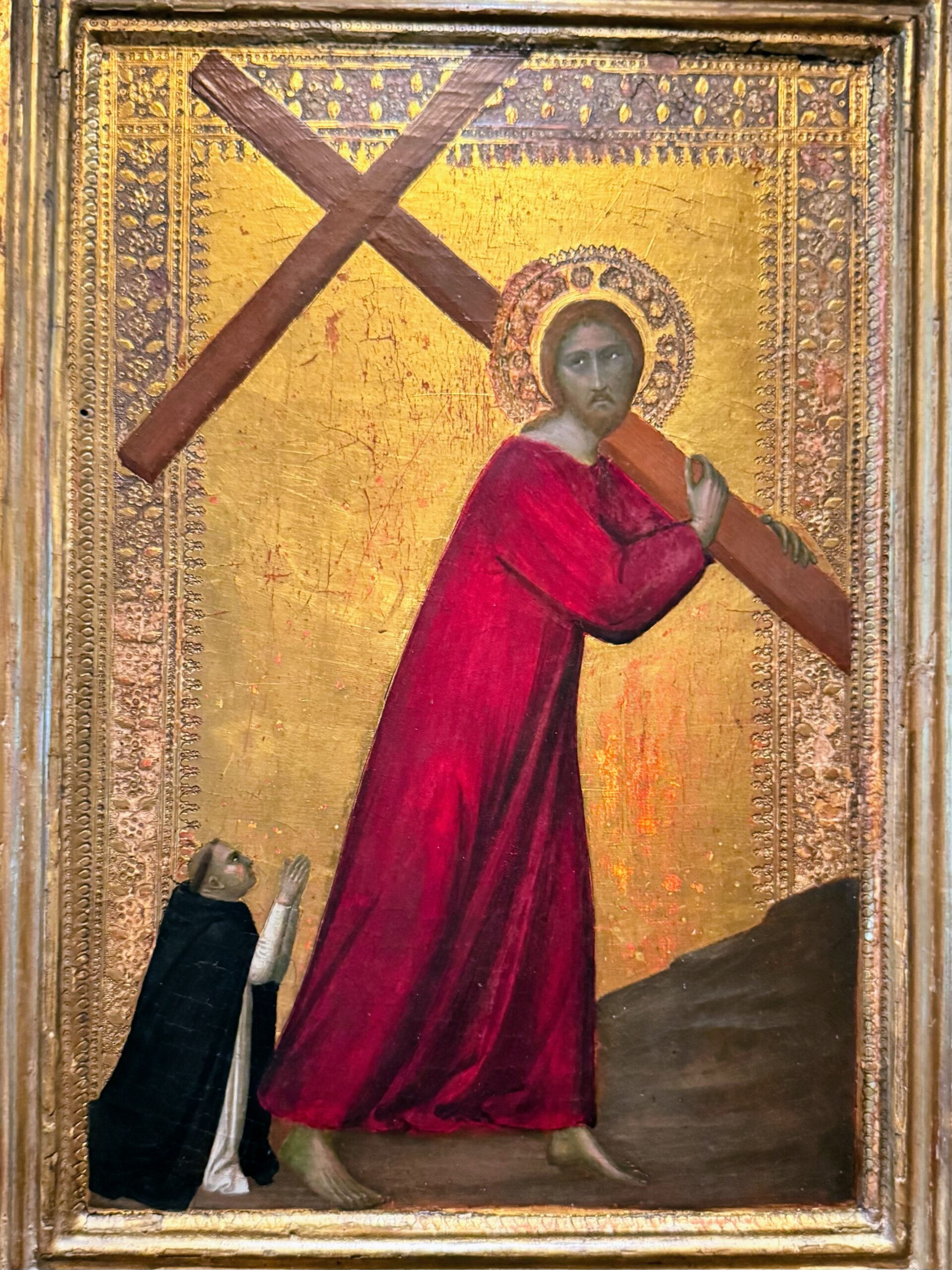
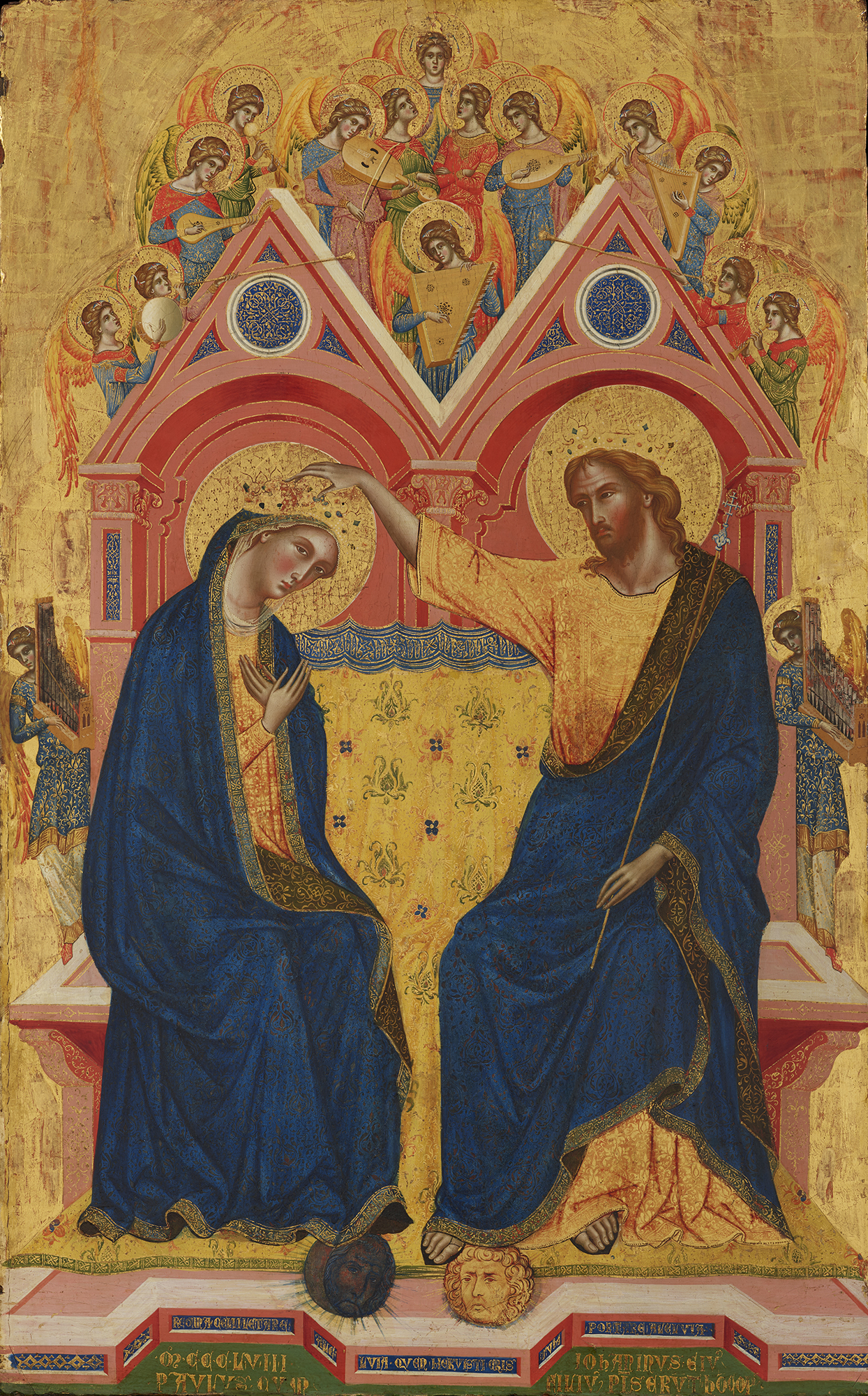
The second floor of the original Frick residence, once private living quarters, is now accessible for exploration. The Boucher Room, where Adelaide Frick once entertained, is now a jewel-box of pastel beauty. Helen Clay Frick’s bedroom now glows with Renaissance gold-ground paintings. And perhaps most moving of all, the former private setting of Henry Clay Frick himself—his library, his rooms, his collections—have been lovingly restored and opened to the public for the very first time.There’s something soul-stirring about walking through these once-private spaces. The hush of history surrounds you. The museum becomes a home. And each painting—whether a Rembrandt, a Goya, or a Degas—feels less like a masterpiece behind glass and more like a wise friend who’s waited patiently to speak with you.
Westmoreland: A Café Steeped in Story
No renaissance would be complete without a gathering place—a hearth. Enter Westmoreland, the Frick’s first-ever café, and an experience in itself. Named after the private railway car the Frick family used to travel the country with their art (yes, really!), the café is elegance embodied. With interiors designed by Bryan O’Sullivan Studio and a mural by Darren Waterston, Westmoreland is more than a place to sip coffee—it’s a celebration of beauty, of seasonal fare, and of cultural memory.
Custom walnut tables, green mohair banquettes, floral ceiling medallions, and the shimmer of Murano glass pendants—every detail sings. The menu, created by Union Square Events, pays homage to Adelaide Frick’s own entertaining style. Expect berry tarts and delicate soups, artisanal teas and refined cocktails named after Frick’s “Cocktails with a Curator” series. It’s a dining experience with soul.
This is where art becomes edible. Where time slows over a glass of wine. Where conversations about Vermeer echo between sips of lavender tea.
A Legacy Made New
At the heart of it all is the Frick’s enduring mission: to share art not as a spectacle, but as a conversation. And now, thanks to this breathtaking renovation, that conversation feels more accessible, more inclusive, more alive than ever.
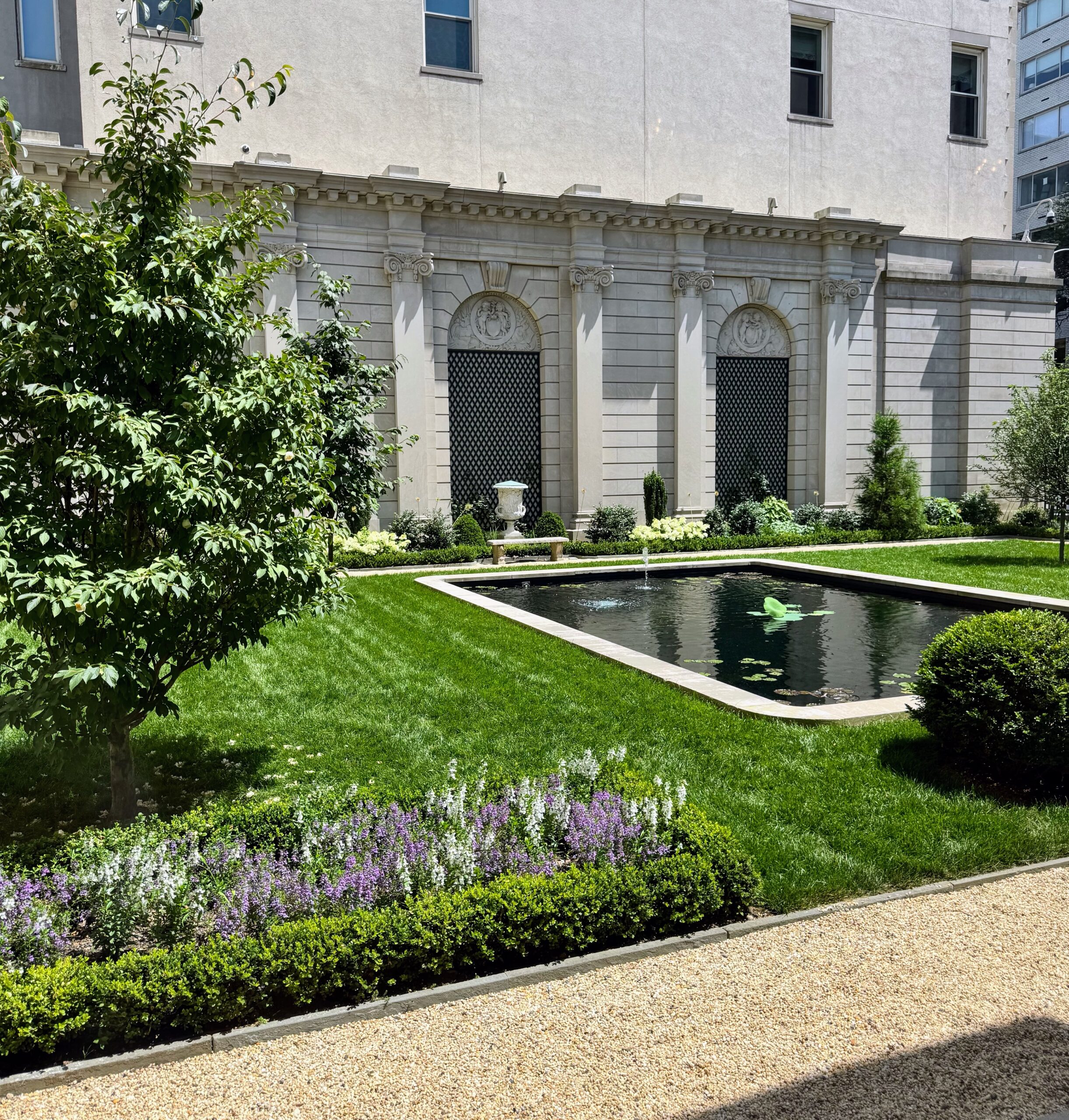
Visitors of all backgrounds can now enjoy ADA-accessible ramps, elevators, and restrooms. New education rooms welcome school groups and families. Conservation studios hum with care and precision. The once-hidden 70th Street Garden, with its fountains and flowers, is now a vibrant outdoor sanctuary.
As I walked through the newly unveiled spaces, I was struck again and again by the harmony of it all. The balance of light and shadow. Of grandeur and grace. Of history preserved and possibility unveiled.
This is what the Frick has always done best: made us fall in love again. With art. With quiet. With ourselves.
A Personal Reflection
I’ve wandered these halls since my earliest days in New York. In fact, long before I became a writer or an editor, I was a young scholar of art history. I spent endless hours here in my early years—reading, sketching, thinking, and dreaming in these very rooms. The Frick was my classroom, my refuge, and my inspiration. It shaped not just my understanding of art, but my understanding of life.
In moments of chaos, I’ve escaped into Fragonard’s rose-swept scenes. In heartbreak, I’ve lost myself in Rembrandt’s light. In joy, I’ve returned again and again, as one returns to a dear friend who always understands.
Now, as I stand amid this reborn temple of beauty, I am reminded why this museum is my favorite place in the city. Because it doesn’t just show us art. It reminds us how to live. With elegance. With purpose. With reverence for detail, and passion for preservation.
The Frick’s new chapter is not merely a transformation—it’s a triumph.
And I, for one, am in love all over again.
Visit The Frick Collection
1 East 70th Street, New York, NY
Café Westmoreland now open daily during museum hours
https://www.frick.org/
Words by By Elena Vasilevsky