
There are places in New York that impress you immediately—and places that ask you to slow down before they reveal themselves. The Explorers Club belongs firmly to the second category.
You don’t walk into the Explorers Club expecting spectacle. You walk in expecting meaning. And that distinction matters.
Founded at the dawn of the twentieth century, the Club emerged at a time when the world still held blank spaces—on maps, in oceans, in human understanding itself. But what made this institution different, even then, was its intention. It was never about adventure for adventure’s sake. The Club was created as a place where exploration had a purpose: to observe carefully, record truthfully, and return with knowledge that could expand humanity’s collective awareness.
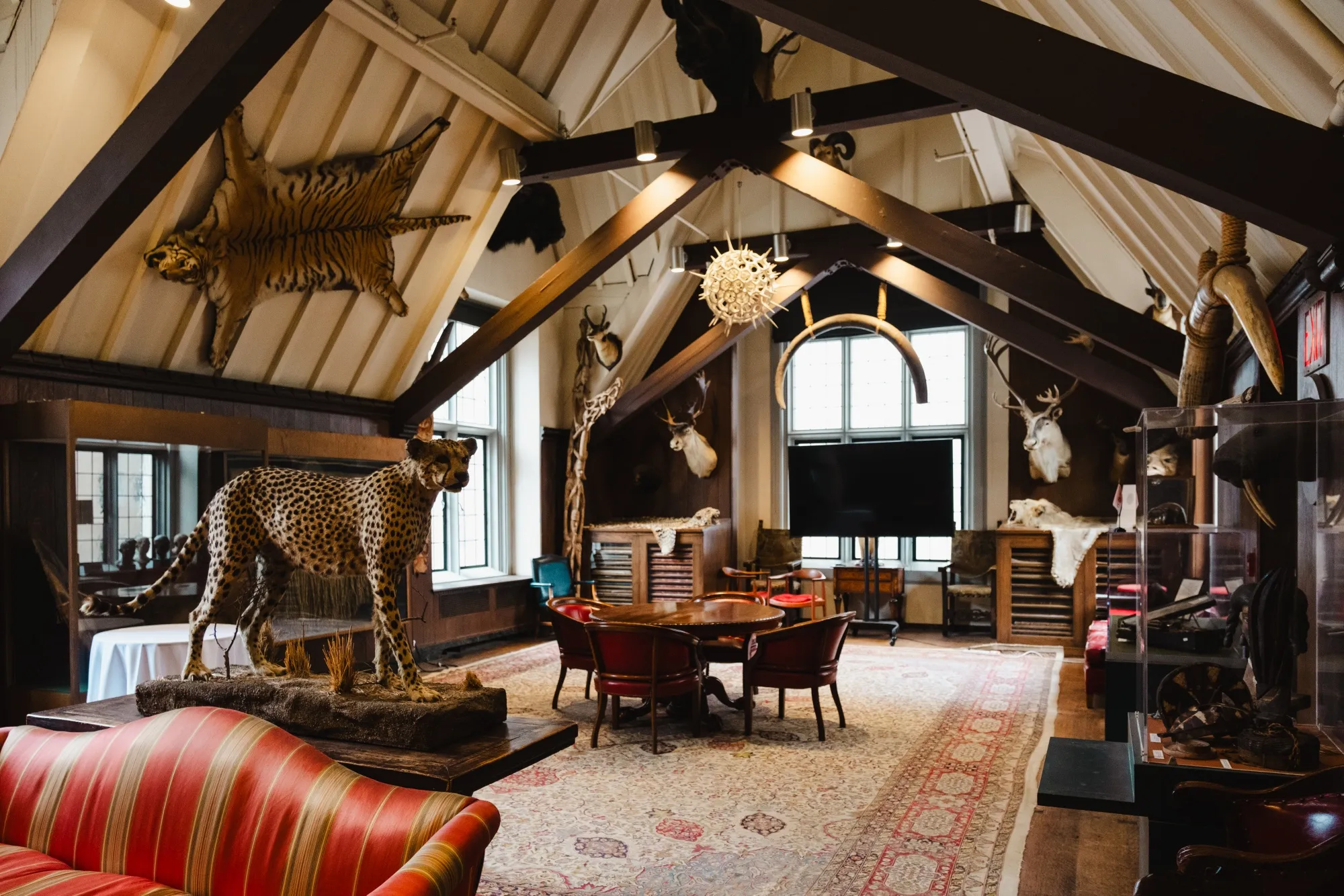
That ethos remains intact today.
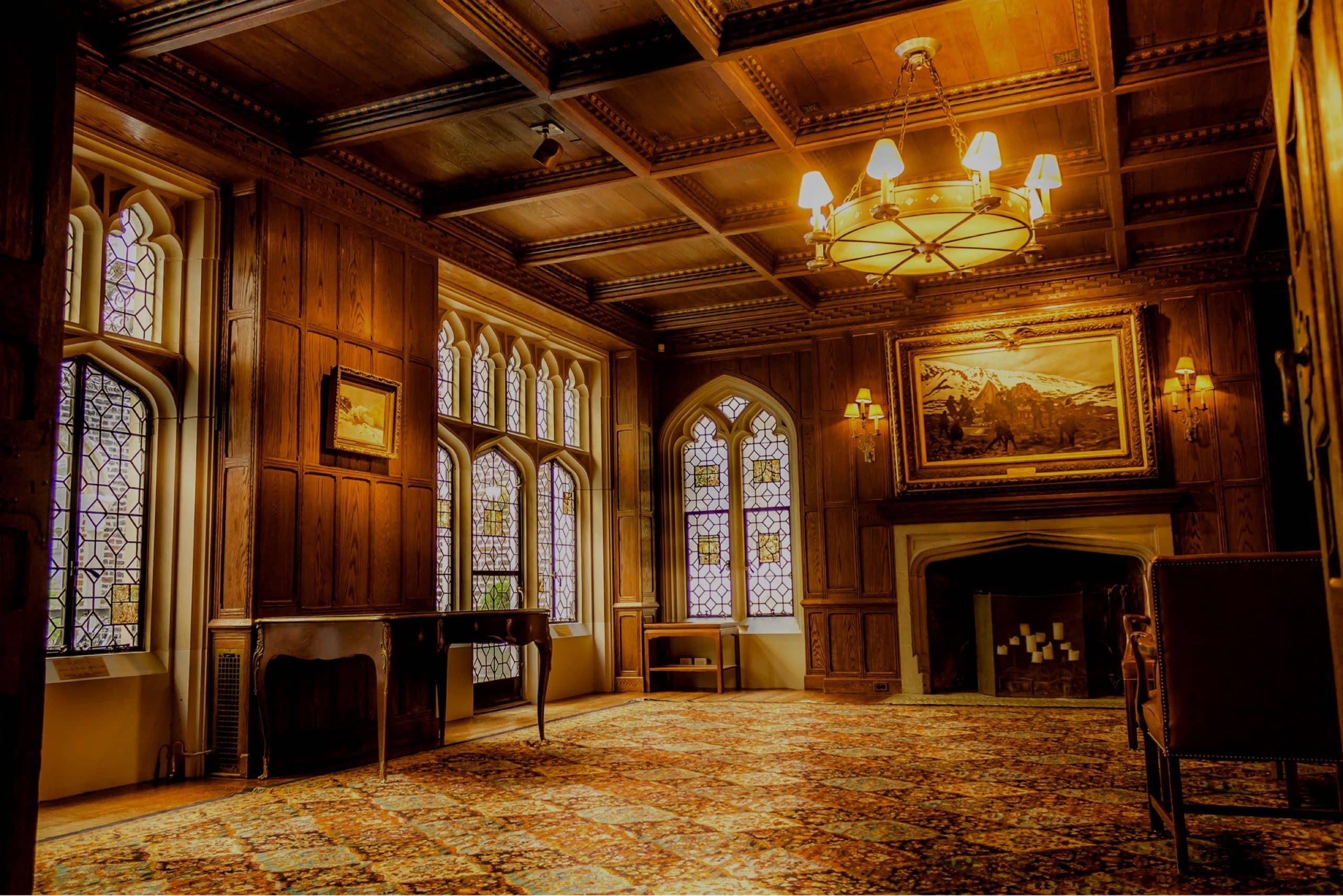
Inside, the rooms feel dense with thought rather than history. Artifacts don’t shout for attention; they whisper. Expedition flags—once carried to polar ice, deep jungles, ocean trenches, and the edges of space—hang not as trophies, but as witnesses. Journals, instruments, and letters remind you that every breakthrough began as uncertainty, and that curiosity is often a quiet, solitary decision before it becomes a shared discovery.
What truly distinguishes the Explorers Club is how it defines exploration. This is not tourism. This is not conquest. Exploration here is disciplined, rigorous, and deeply ethical. It is about asking better questions—about the planet, the climate, human origins, biodiversity, technology, and the fragile systems that sustain life. Many of today’s most urgent scientific conversations—environmental preservation, climate resilience, cultural protection—trace their intellectual lineage back to fieldwork supported or inspired by this institution.
Equally compelling is how the Club has learned from its own history. For decades, exploration was narrowly defined by who was allowed in the room. That changed in the early 1980s, when women were finally admitted as members, following sustained internal pressure and an impassioned appeal from Carl Sagan. The shift didn’t weaken the Club’s legacy—it corrected it. Today, the Club reflects a broader, more truthful understanding of who explores and why it matters. Scientists, conservationists, anthropologists, oceanographers, astronauts, and climate researchers now stand side by side, bound not by ego, but by evidence.
The lectures held within these walls are not performances. They are dispatches. Stories from ice sheets collapsing in real time, from newly discovered species, from archaeological sites still yielding their secrets. There is an intimacy to these gatherings—a sense that knowledge is being passed hand to hand, not broadcast for applause.
And perhaps that is why the Explorers Club feels so quietly radical today.

In an era obsessed with immediacy, the Club honors slowness. In a culture of certainty, it respects doubt. In a city that moves relentlessly forward, it insists on looking deeper—sometimes downward into the earth, sometimes backward through history, sometimes outward into space.
You leave with the unsettling realization that the world is far less known than we pretend. That discovery is not finished. That exploration is not a chapter we closed, but a responsibility we inherited.
The Explorers Club does not promise answers. It promises better questions. It invites those willing to listen longer, observe more carefully, and accept that wonder is not naïve—it is necessary. In protecting curiosity as something sacred, the Club reminds us that progress is born not from certainty, but from humility. And that the most meaningful journeys are often the ones that change how we see the world—long before they change where we stand.
A legacy written in firsts—quietly, rigorously, and often far from the spotlight.
Below are moments and names that shaped the Club’s living archive of discovery.
Earth’s Extremes
Mount Everest (1953): Members of the Club were part of the first successful ascent, demonstrating that preparation, patience, and collaboration can overcome altitude and uncertainty.
North & South Poles: Polar expeditions supported by the Club advanced navigation, endurance science, and survival research in the planet’s most unforgiving environments.
The Deep
Challenger Deep: Club-affiliated exploration reached the deepest point of the ocean, expanding scientific understanding of pressure, geology, and life in extreme conditions.
Beyond Earth
The Moon: Astronaut members carried the Club’s flag into space, signaling that exploration extends beyond terrestrial boundaries and into the cosmos.
Human Origins & Life on Earth
Jane Goodall: Her fieldwork transformed the study of primates and redefined the relationship between scientific observation and empathy.
Archaeology & Anthropology: Members have documented early human sites and living cultures, preserving knowledge at risk of being lost.
Science for the Future
Climate & Biodiversity: Contemporary expeditions focus on fragile ecosystems, species loss, and climate resilience, reframing exploration as stewardship.
A Turning Point
Carl Sagan: His advocacy helped open the Club to women, strengthening its intellectual scope and aligning its mission with the universality of scientific inquiry.
Why it matters
Every flag, field note, and lecture represents a commitment to evidence over assumption and understanding over conquest. The Explorers Club’s legacy is not defined by where its members went, but by what humanity learned as a result.
46 E 70th Street, NY, NY 10021
Words by Elle Taylor