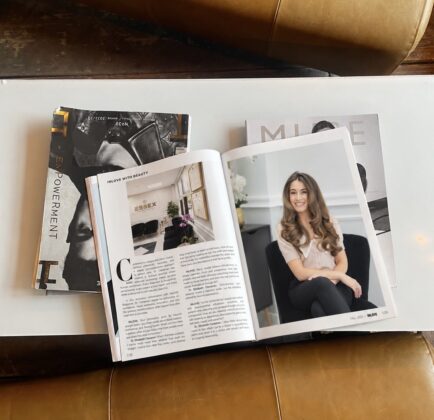
Dr. David Shafer: Plastic Surgery, Aesthetic Medicine & Beauty Innovation x INLOVE
Dr. David Shafer plastic surgeon NYC patients turn to for advanced aesthetic care has built his career around innovation, precision, and individualized treatment.
In aesthetic medicine, trends come and go. Technologies rise, social media explodes with the next “miracle treatment,” and within months many disappear. The difference between following trends and defining them is experience—the ability to separate true medical innovation from marketing hype.
For more than two decades, Dr. David Shafer has built his reputation on doing exactly that.
As a double board-certified plastic surgeon, internationally recognized educator, and founder of Shafer Clinic Fifth Avenue in New York City, Dr. Shafer has consistently been among the physicians evaluating, adopting, teaching, and refining technologies that are changing modern aesthetic medicine.
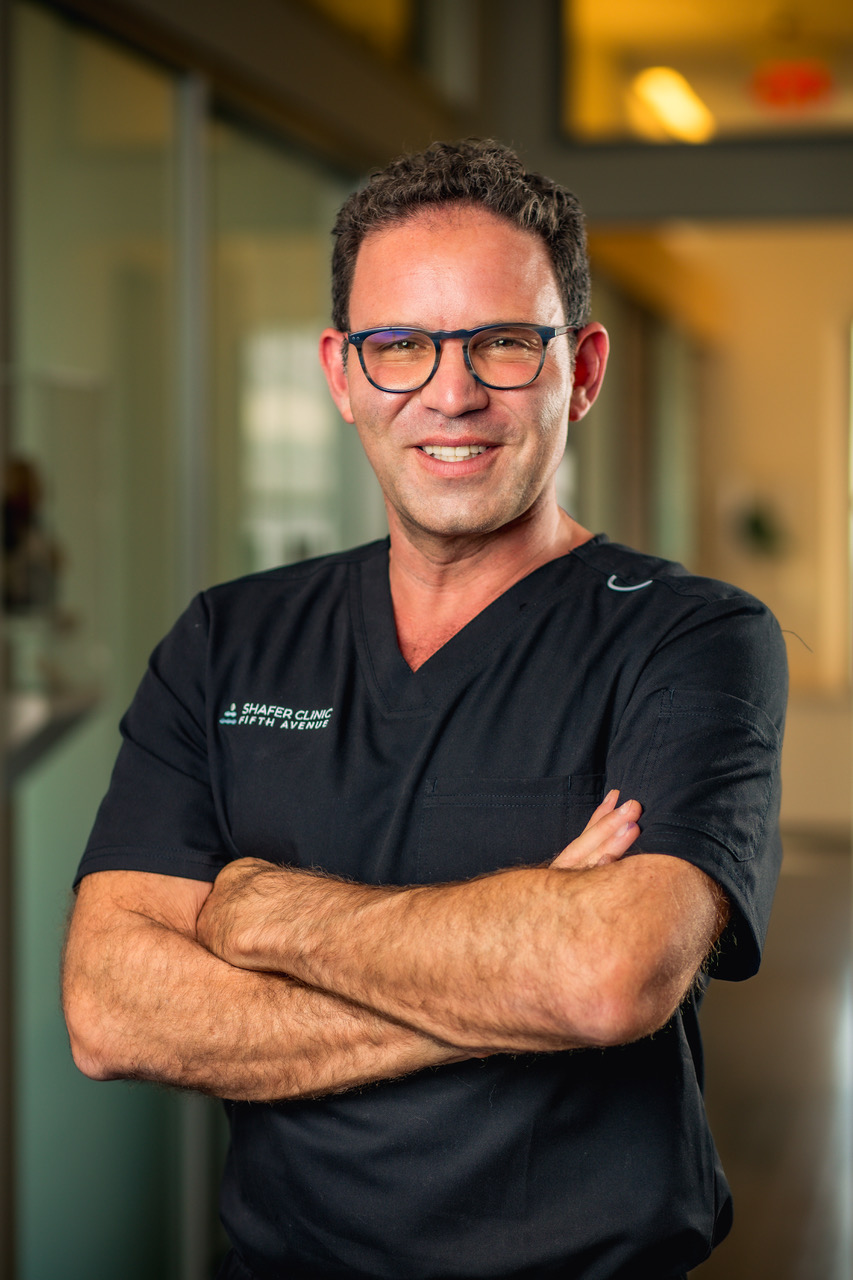
His philosophy has never been to offer what is newest simply because it is new. Instead, every innovation must answer one essential question:
Does it genuinely improve patient outcomes?
That thoughtful approach has positioned Shafer Clinic as a destination for patients seeking not only cosmetic surgery, but an increasingly comprehensive approach to aesthetics, regenerative treatments, and metabolic wellness.
The clinic brings surgical and non-surgical aesthetics together with injectables, laser and skin treatments, and metabolic optimization, allowing care to be individualized around the patient rather than a single procedure.
The New Era Of Plasticity Surgery is Regenerative
Plastic surgery has evolved dramatically.
The conversation is no longer centered solely around making someone look younger.
Today’s patients want to look healthier.
More natural.
More refreshed.
They want subtle improvements that preserve their identity rather than change it.
That shift has accelerated interest in regenerative aesthetics—a broader philosophy focused on supporting the body’s own restorative processes and improving tissue quality rather than relying exclusively on traditional fillers or surgery.
For Dr. Shafer, however, regeneration extends beyond what can be seen in the mirror.
It also means considering what is happening inside the body.
That philosophy comes to life through +advitam®, the metabolic center integrated within Shafer Clinic. Co-founded by Dr. Shafer, +advitam® approaches wellness through what the practice calls Metabolic Aesthetics™ and Metabolic Optimization™—looking at factors such as body composition, bloodwork, metabolic function, hormones, weight management, recovery, and longevity as part of a highly individualized program.
The connection between the two practices is particularly relevant in the era of significant medical weight loss.
Dr. David Shafer Plastic Surgeon NYC: Innovation Without Compromise
A patient may successfully transform their health and body composition yet discover that the aesthetic consequences of that transformation—volume loss, skin laxity, or stubborn areas of localized fat—require an entirely different approach.
Rather than viewing wellness and aesthetics as separate conversations, Shafer Clinic and +advitam® allow them to intersect.
Sometimes the right answer is surgery.
Sometimes it is metabolic optimization.
Sometimes it is a combination of the two.
And sometimes the best treatment is no aesthetic procedure at all.
That ability to look at the whole patient rather than simply the requested procedure represents an important evolution in modern aesthetic medicine. Dr. Shafer has publicly described this integrated model as evaluating a patient’s health, anatomy, biomarkers and goals before determining whether metabolic optimization, surgery, or a combination makes the most sense.
The Biggest Conversation in Aesthetics is ALLOCLAE™
Perhaps few recent innovations have generated as much conversation in aesthetic medicine as AlloClae™.
The timing is significant.
As GLP-1 medications have transformed medical weight management, aesthetic physicians are increasingly seeing patients who have achieved substantial weight loss but are now confronting another issue: loss of facial and body volume.
They may feel healthier and stronger, yet areas of the face or body can appear depleted.
Traditional fat grafting can be an excellent solution, but it requires harvesting a patient’s own fat—and not every patient has sufficient donor tissue or wants to undergo liposuction solely to obtain it.
AlloClae introduces another possibility.
Derived from processed donor adipose tissue, it is designed as an off-the-shelf adipose tissue product that can be used for structural volume restoration without first harvesting the patient’s own fat.
For the right patient, this emerging category may expand what is possible between conventional fillers and traditional autologous fat grafting.
And Dr. Shafer is already looking toward what comes next.
He serves on the advisory boards for AlloClae and DermaClae™ and says he is particularly excited about the release of DermaClae, which is being developed to allow physicians to fine-tune more sensitive and delicate treatment areas.
The distinction matters.
Innovation in aesthetics is increasingly moving away from a single product being expected to solve every problem. Instead, the future is likely to involve increasingly specialized technologies selected according to anatomy, tissue quality, treatment area, and the degree of correction required.
For Dr. Shafer, that precision is where the field becomes especially interesting.
It is not simply about having another injectable option.
It is about having a more refined toolkit.
Beyond Lasers
Why Radio-frequency is Having a Moment
For years, lasers dominated conversations about skin rejuvenation.
Today, radiofrequency has become an increasingly important part of the aesthetic toolkit.
Rather than relying on light energy, radiofrequency technologies use controlled energy to heat targeted tissue, with applications that can include collagen remodeling, skin tightening, and improvements in texture and laxity.
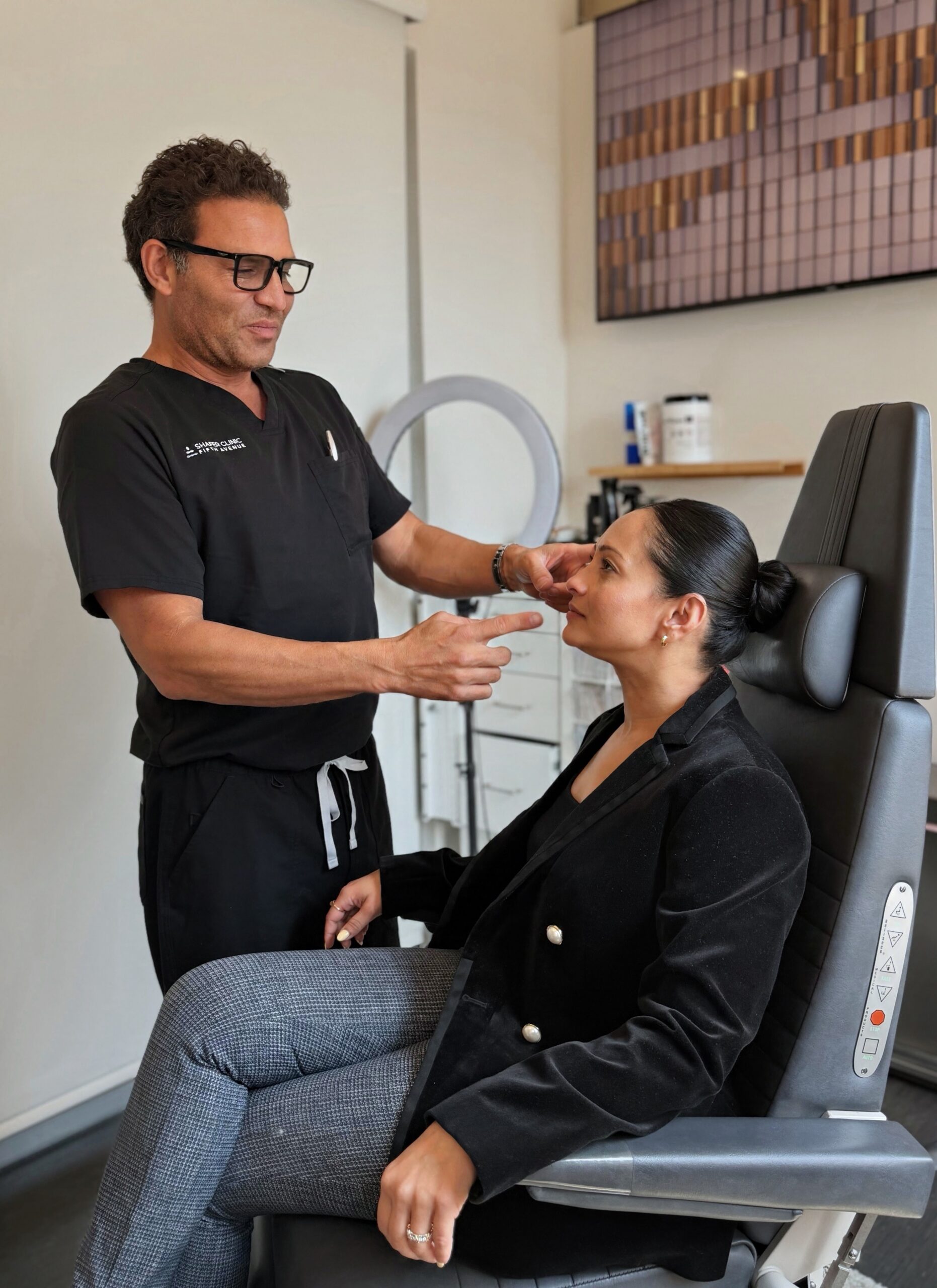
At Shafer Clinic, Dr. Shafer has incorporated advanced radiofrequency technology, including Density RF, giving patients additional options that can be selected according to their individual anatomy and goals.
The philosophy behind the technology is perhaps more important than the device itself.
Instead of asking:
“What is the most popular treatment?”
Dr. Shafer asks:
“What is the best treatment for this particular patient?”
That distinction defines expertise.
Biostimulators
The Art Of Aging Besutifully
Another important shift in facial aesthetics involves biostimulators.
Traditional hyaluronic acid fillers primarily provide volume and structural support.
Biostimulatory treatments take a different approach, encouraging collagen production over time.
The appeal is easy to understand.
Increasingly, patients are not asking to look dramatically different. They want healthier-looking skin, restored support, improved contours, and results that evolve naturally.
But this is precisely where experience becomes critical.
No single injectable category is right for every patient.
Dr. Shafer does not believe every patient needs filler.
Nor does every patient need surgery.
The most sophisticated result may come from combining modalities strategically—perhaps addressing volume in one area, collagen stimulation in another, skin quality elsewhere, and metabolic health underneath it all.
The artistry lies not simply in knowing how to perform each treatment.
It lies in knowing when not to perform one.
Innovation Without Compromise
Medicine advances quickly.
Social media advances even faster.
Every month seems to introduce another viral treatment, device, ingredient, or technique promising extraordinary results.
Yet popularity is not evidence.
At Shafer Clinic, emerging technologies are evaluated through the lens of clinical experience, available evidence, patient safety, anatomy, and realistic outcomes.
That approach allows innovation and restraint to coexist.
Patients can have access to emerging treatments without the assumption that newer automatically means better.
Innovation is not pursued for headlines.
It is pursued when it can meaningfully expand what physicians are able to offer their patients.
The Human Side Of Excellence
Technology alone never creates exceptional results.
People do.
Behind every procedure is a patient placing enormous trust in another human being.
That responsibility shapes Dr. Shafer’s approach to aesthetic medicine.
Consultation is not simply about identifying a procedure. It is about understanding motivation, expectations, anatomy, lifestyle, health, and what the patient ultimately hopes to feel when they look in the mirror.
That philosophy extends throughout Shafer Clinic, where the model is built around individualized treatment plans and comprehensive care rather than one-size-fits-all solutions.
The objective is not transformation for transformation’s sake.
It is alignment.
Helping the outside reflect how a person wants to feel on the inside.
Education Never Stops
Dr. Shafer has long been recognized as an educator within aesthetic medicine.
His background includes plastic surgery training at Mayo Clinic and aesthetic surgery training at Manhattan Eye, Ear and Throat Hospital, alongside years of teaching physicians and integrating surgical and non-surgical innovation into clinical practice.
That commitment to education ultimately benefits patients.
Medicine does not stand still.
Neither can the physicians practicing at its highest levels.
Continual education means evaluating emerging evidence, questioning established assumptions, refining techniques, and understanding not only how a new technology works—but where it belongs within an increasingly sophisticated spectrum of treatment options.
The Future Of Aesthetics
If the next decade of aesthetic medicine can be summarized in one word, it may be personalization.
Patients increasingly expect treatment plans designed around their anatomy, biology, lifestyle, health, and individual goals.
That future brings together fields that once existed largely independently:
Regenerative medicine.
Metabolic optimization.
Combination therapies.
Advanced imaging.
Collagen stimulation.
Biologic technologies.
Surgical innovation.
And increasingly sophisticated non-surgical treatments.
Rather than making plastic surgery obsolete, these developments expand what an accomplished plastic surgeon can offer.
A patient may begin with metabolic optimization through +advitam® before considering surgery.
Another may benefit from a regenerative treatment.
Another may need radiofrequency, injectables, or skin therapy.
And for another, surgery may still provide the most predictable and meaningful result.
The future is not about choosing surgery or technology.
It is about understanding how all of these tools can work together—and having the expertise to know which ones truly belong in an individual patient’s treatment plan.
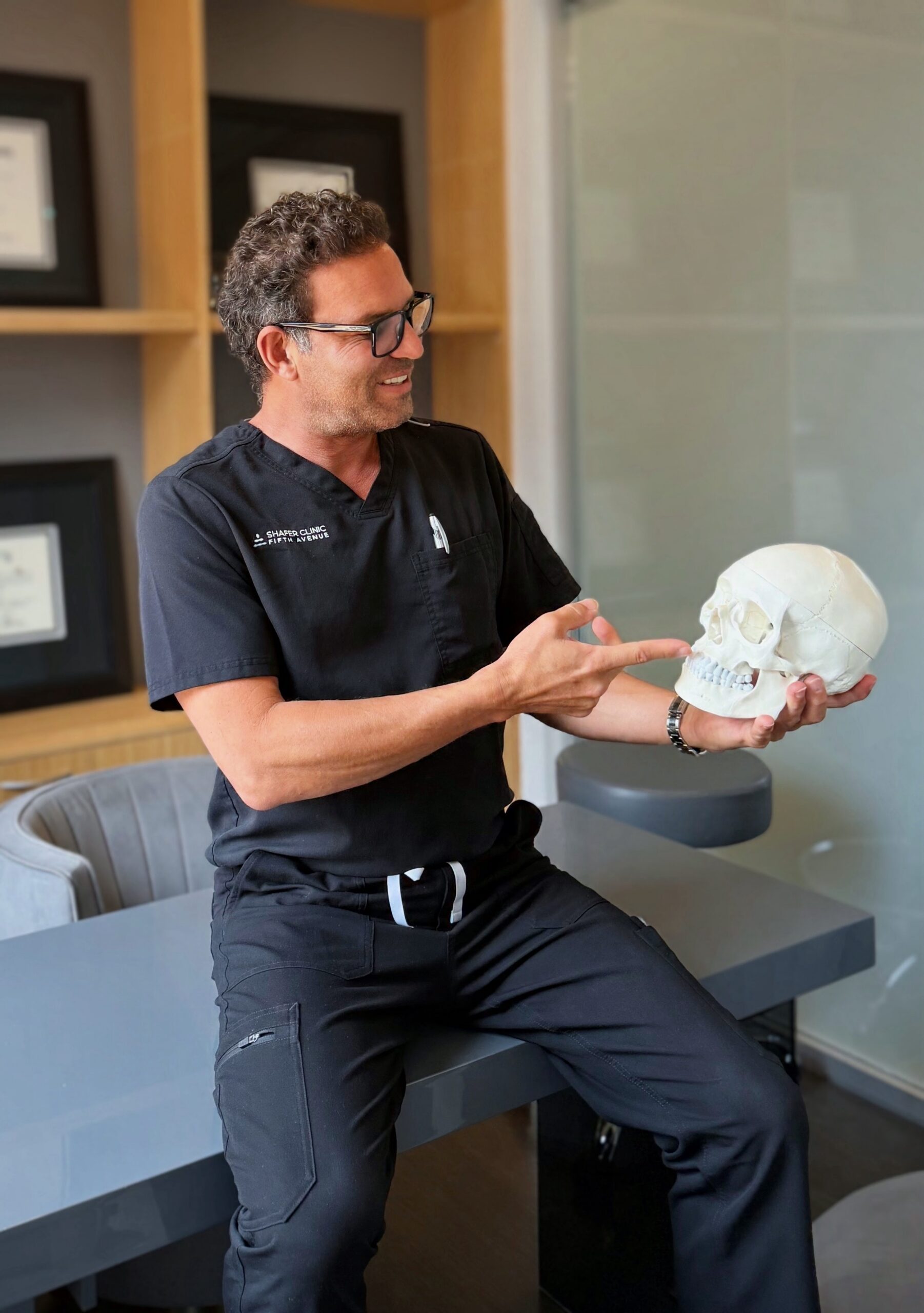
It is a future Dr. David Shafer has spent his career preparing for.
True leaders do not simply predict where medicine is heading.
They help shape it.
Dr. Shafer has built Shafer Clinic around a simple but powerful belief: innovation only matters when it improves care.
Whether exploring regenerative technologies, working with advances such as AlloClae™, anticipating the possibilities of DermaClae™, integrating metabolic optimization through +advitam®, expanding radiofrequency options, or helping patients understand the difference between biostimulators and traditional fillers, the mission remains remarkably consistent.
To combine science with artistry.
Innovation with judgment.
Technology with humanity.
Because the future of aesthetic medicine is not about chasing trends.
It is about creating treatments that are smarter.
More natural.
More individualized.
And increasingly connected to the health and well-being of the entire person.
That is where innovation becomes trust.
And where tomorrow’s breakthroughs begin to redefine the standard of care.
https://www.shaferplasticsurgery.com/
Words by Elle Taylor