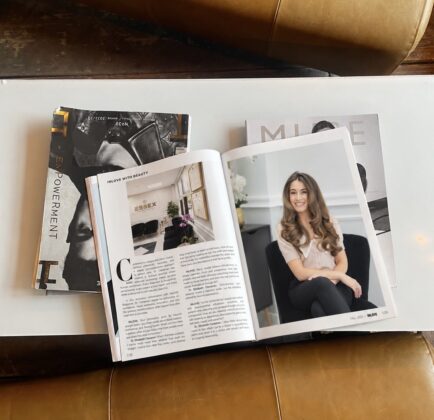
Puglia Paradise: Luxury Villas, Travel & Life in Puglia x INLOVE
How Puglia Paradise Revealed the Soul of Southern Italy
It started with the drive.
I rented a car at Bari Airport and headed toward Alberobello, where I would spend my first days in Puglia.
Like most people, I had seen the photographs long before I arrived.
Whitewashed trulli.
Ancient olive trees.
Endless fields.
The Adriatic in impossible shades of blue.
I thought I knew what awaited me.
I didn’t.
The road carried me through a landscape that felt both vast and deeply intimate. Olive trees, their trunks twisted by centuries of wind and weather, stretched across the countryside in every direction. Stone walls divided fields that seemed to have changed very little over generations. The light was different here. Softer. Warmer. It settled gently across the land instead of demanding attention.
By the time I arrived at Trullo Atena, I already had the feeling that I wasn’t simply discovering another region of Italy. I was entering somewhere with its own rhythm, its own character, and its own quiet confidence.
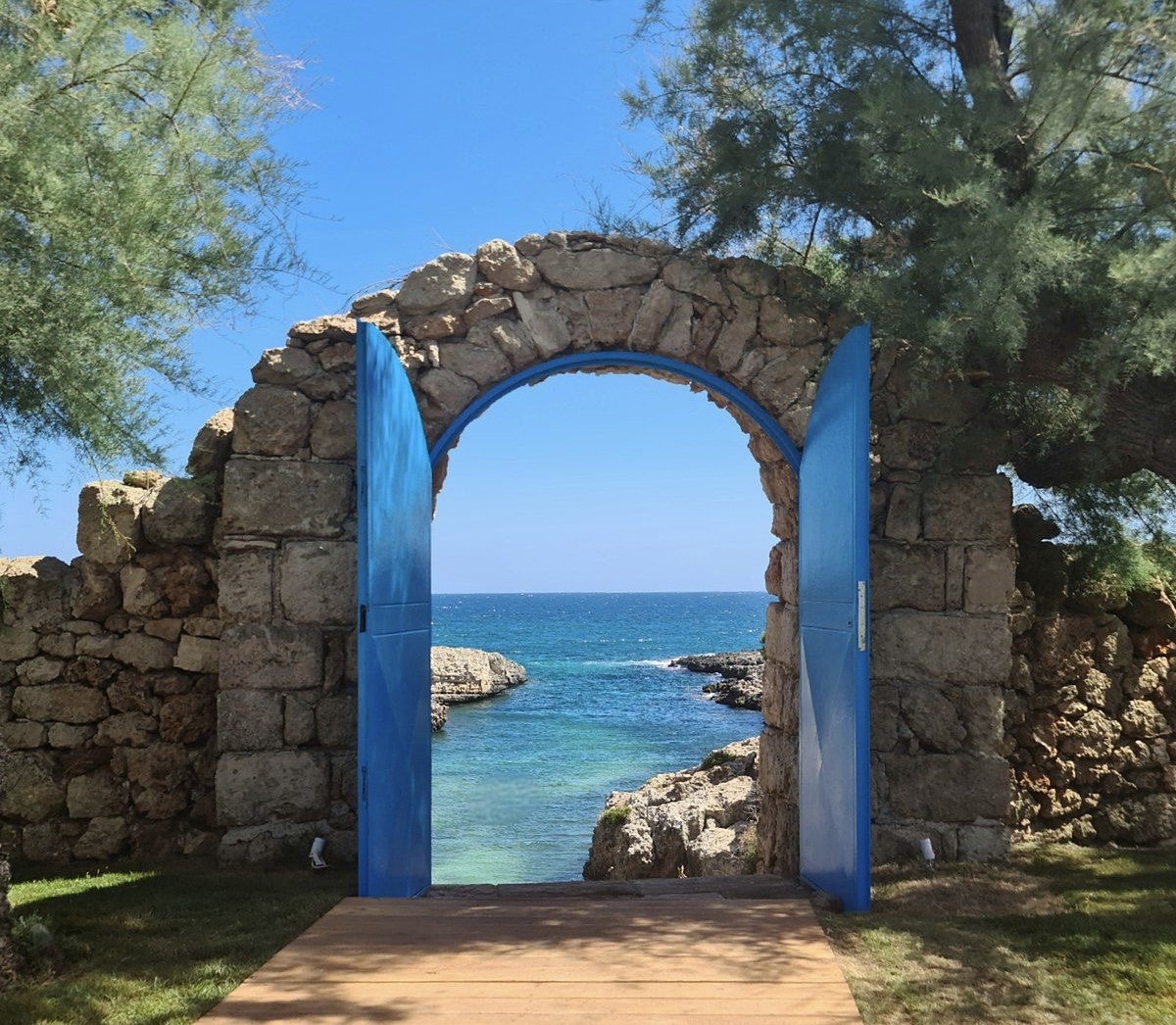
The gates opened slowly.
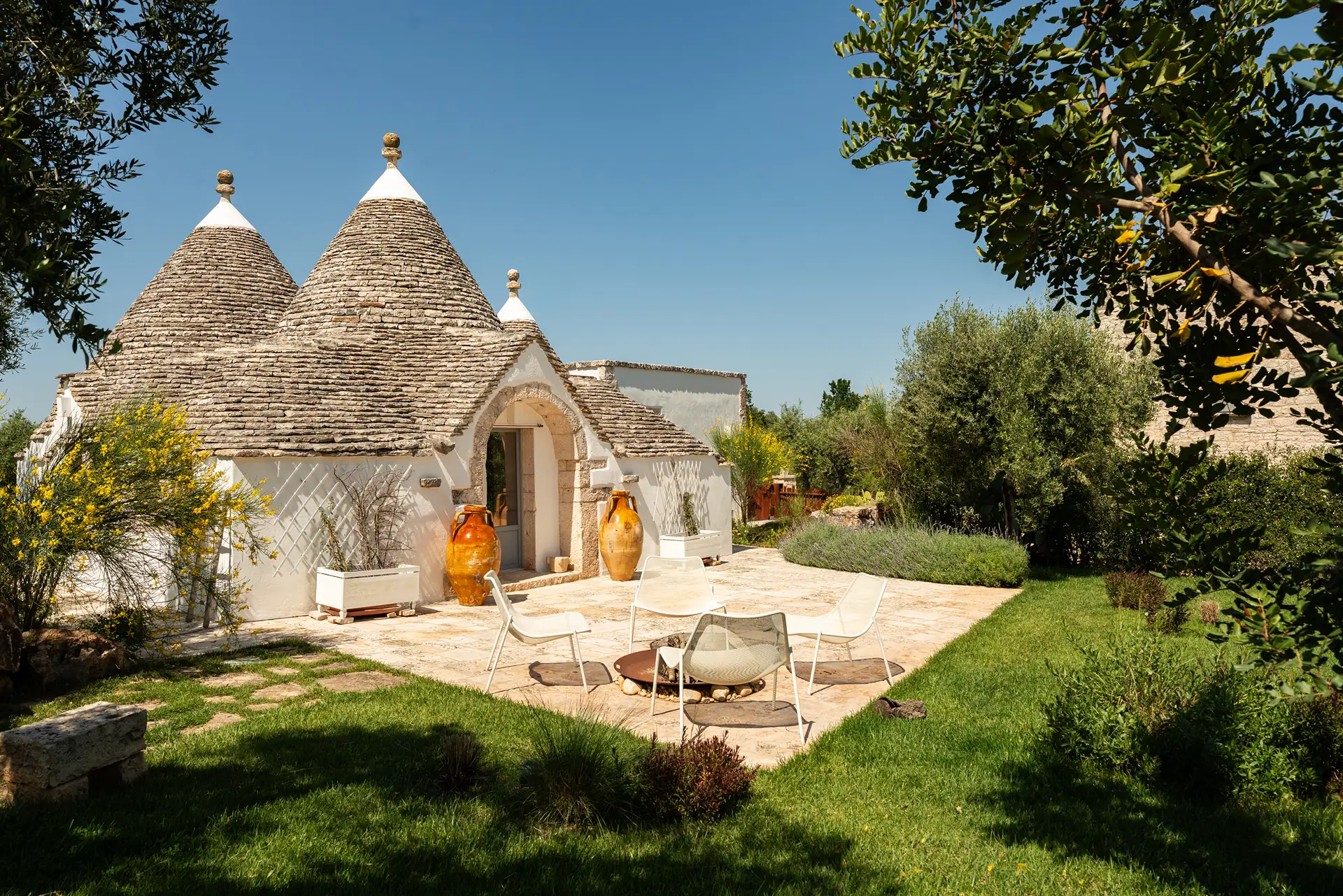
Inside, centuries-old olive trees framed a beautifully restored trullo standing exactly where it had belonged for generations. A stone arch overlooked the surrounding countryside. Lavender moved gently in the breeze. The swimming pool reflected the afternoon sky so perfectly that the water almost disappeared into the horizon.
Everything felt intentional.
Waiting for us was Sara.
At Puglia Paradise, they call her a Guest Angel.
After meeting her, I understood why.
Before showing us the villa, she welcomed us with local cheeses, freshly baked bread, olive oil, and delicacies from nearby producers. After a day of travel, it didn’t feel like a check-in.
It felt like arriving at someone’s home.
That distinction became one of the defining memories of my journey.
Throughout Puglia, hospitality never felt rehearsed.
It felt instinctive.
Inside Trullo Atena, thick stone walls embraced every room. Sunlight filtered softly through small windows. Natural materials, handcrafted details, and carefully restored architectural features respected the history of the building without sacrificing comfort. Hidden inside the trullo itself was a Turkish bath, seamlessly integrated into a structure that had stood for centuries.
Nothing competed for attention.
The house simply belonged.
Later, while walking through Alberobello, I found myself wondering why this town feels so different from so many historic places that have become famous around the world.
The answer arrived during one of my conversations with Massimo Valentini, founder of Puglia Paradise.
Before meeting him, I assumed Puglia Paradise was a luxury villa company.
It isn’t.
Not really.
Luxury villas are simply the beginning.
Massimo grew up in Puglia before spending ten years building his career in Milan. When he and his wife welcomed their daughter, Maria Pia, they made a decision that would eventually shape the future of Puglia Paradise.
They came home.
Not because Milan had stopped offering opportunities.
Because they wanted their daughter to grow up surrounded by family, nature, and the values that had shaped their own lives.
At the same time, Massimo wanted to build something that reflected those values.
What emerged was not simply a collection of exceptional villas.
It became a different way of introducing people to Puglia.
As we spoke over the following days, I realized that he rarely described the properties first.
He spoke about people.
About artisans.
Farmers.
Chefs.
Families.
Traditions.
Places that still function as living communities rather than carefully preserved attractions.
“Puglia became widely known only in the last fifteen or twenty years,” he told me. “Our hospitality didn’t grow from hotels. It grew from people.”
That sentence stayed with me.
It explained something I had been feeling since the moment I arrived.
In many destinations, hospitality is a service.
Here, it feels like culture.
That philosophy influences every decision Puglia Paradise makes.
Massimo explained that when choosing a villa, beauty alone is never enough. A property must respect the landscape around it. It should feel naturally connected to Puglia rather than imposed upon it. Just as important are the owners behind each home.
Relationships matter.
Shared values matter.
The people welcoming guests should care about preserving the region as much as they care about opening their doors.
That became increasingly clear as we wandered through Alberobello later that evening.
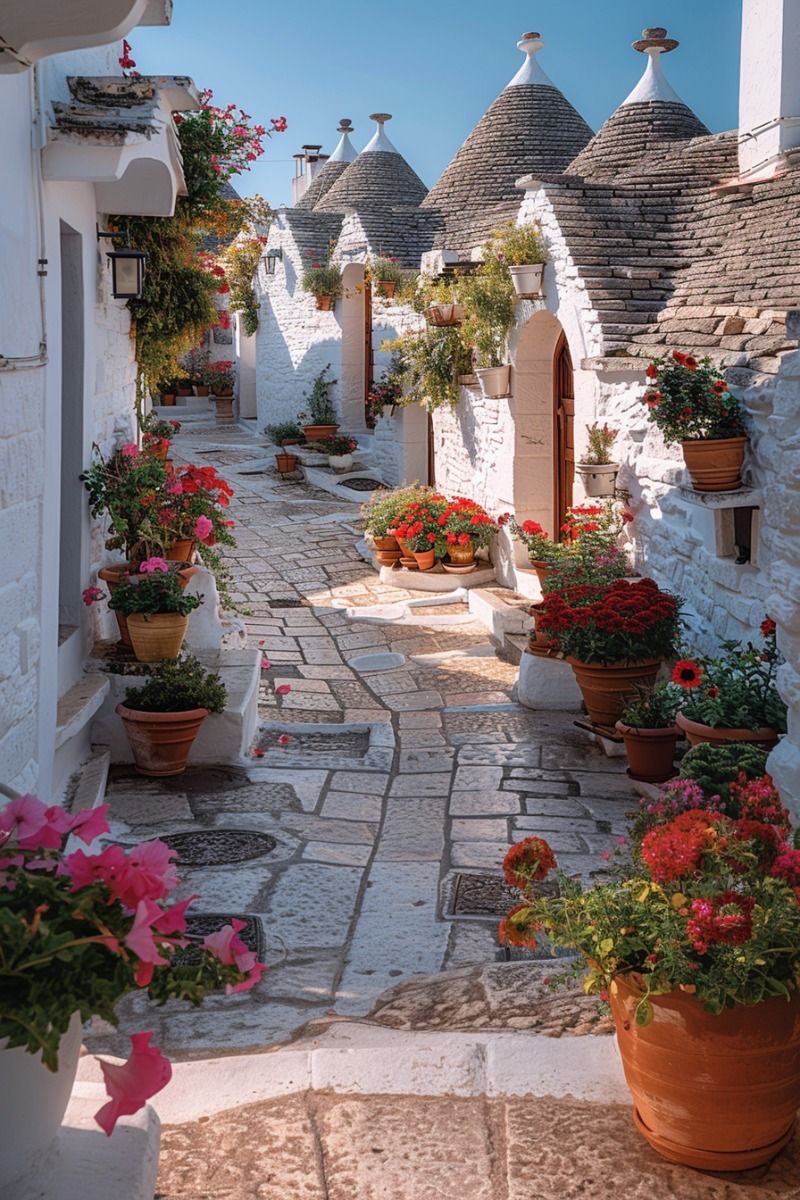
Millions of people come here every year to photograph the famous trulli.
Far fewer understand what they represent.
When I asked Massimo what he hopes guests experience during their first night inside one, his answer had nothing to do with architecture.
“I want them to feel they are not simply sleeping in a house,” he said. “I want them to feel they are sleeping inside a small piece of legend.”
He described the silence inside a trullo.
The cool air held naturally by walls nearly two metres thick.
The feeling of being protected beneath the stone cone.
The intimacy created by spaces designed long before modern architecture existed.
Listening to him, I realized something.
The trullo is remarkable not because it is unusual.
It is remarkable because it continues to do exactly what it was built to do.
Walking through Alberobello after sunset, surrounded by stone buildings that have quietly witnessed centuries of everyday life, I understood why staying in a trullo feels so different from simply visiting one.
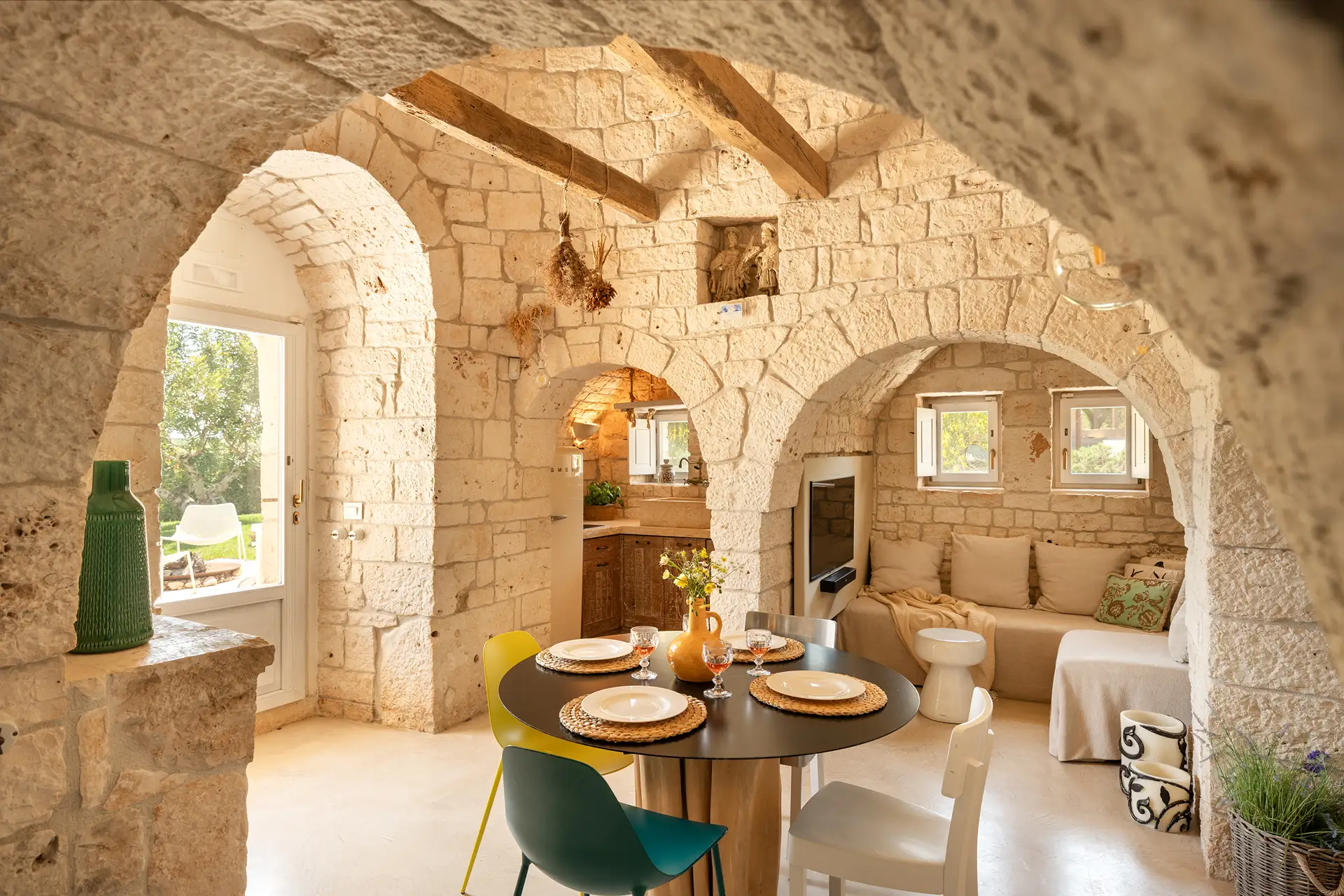
You are not observing history.
For a brief moment, you are living inside it.
The following morning, sunlight found its way through the small stone windows of Villa Atena, casting soft patterns across walls that have quietly stood for generations.
Our destination that morning was Polignano a Mare.
The drive itself reminded me why slowing down in Puglia matters. The countryside never feels repetitive. Every few kilometers another trullo appears in the distance. Another vineyard. Another ancient grove. Another stone farmhouse standing exactly where it belongs.
Looking across those olive trees, I remembered something Massimo had said the day before.
“They are not simply part of the landscape,” he told me. “They are witnesses.”
It was one of the simplest observations he shared, yet perhaps the most profound.
These trees have watched centuries unfold. They have seen harvests, droughts, celebrations, hardship, and generations of families whose lives depended entirely on the land around them. They have watched Puglia evolve without ever losing its identity.
Massimo explained that for centuries, life here was defined by necessity. Families grew what they needed, wasted very little, and respected every season because survival depended upon it.
That history is still present today in what Italians call cucina povera.
The phrase is often translated as “poor cuisine,” but that misses its meaning entirely.
There is nothing poor about it.
It is intelligent cuisine.
Bread made from local grain. Handmade pasta. Seasonal vegetables. Legumes. Olive oil. Ingredients that were close, familiar, and treated with extraordinary respect.
Only honest food prepared exceptionally well.
Perhaps that explains why meals throughout Puglia feel so memorable. They are not trying to surprise you. They simply express where they come from.
Eventually the countryside gave way to limestone cliffs, and suddenly the Adriatic appeared.
No photograph had prepared me for that first view.
Polignano a Mare rises directly from the rock, as though the town and the cliffs were carved together. White buildings stand impossibly close to the edge while balconies seem to float above the sea.
It is breathtaking.
But what stayed with me wasn’t simply the view.
It was its balance.
Nothing dominates.
The architecture respects the coastline instead of competing with it.
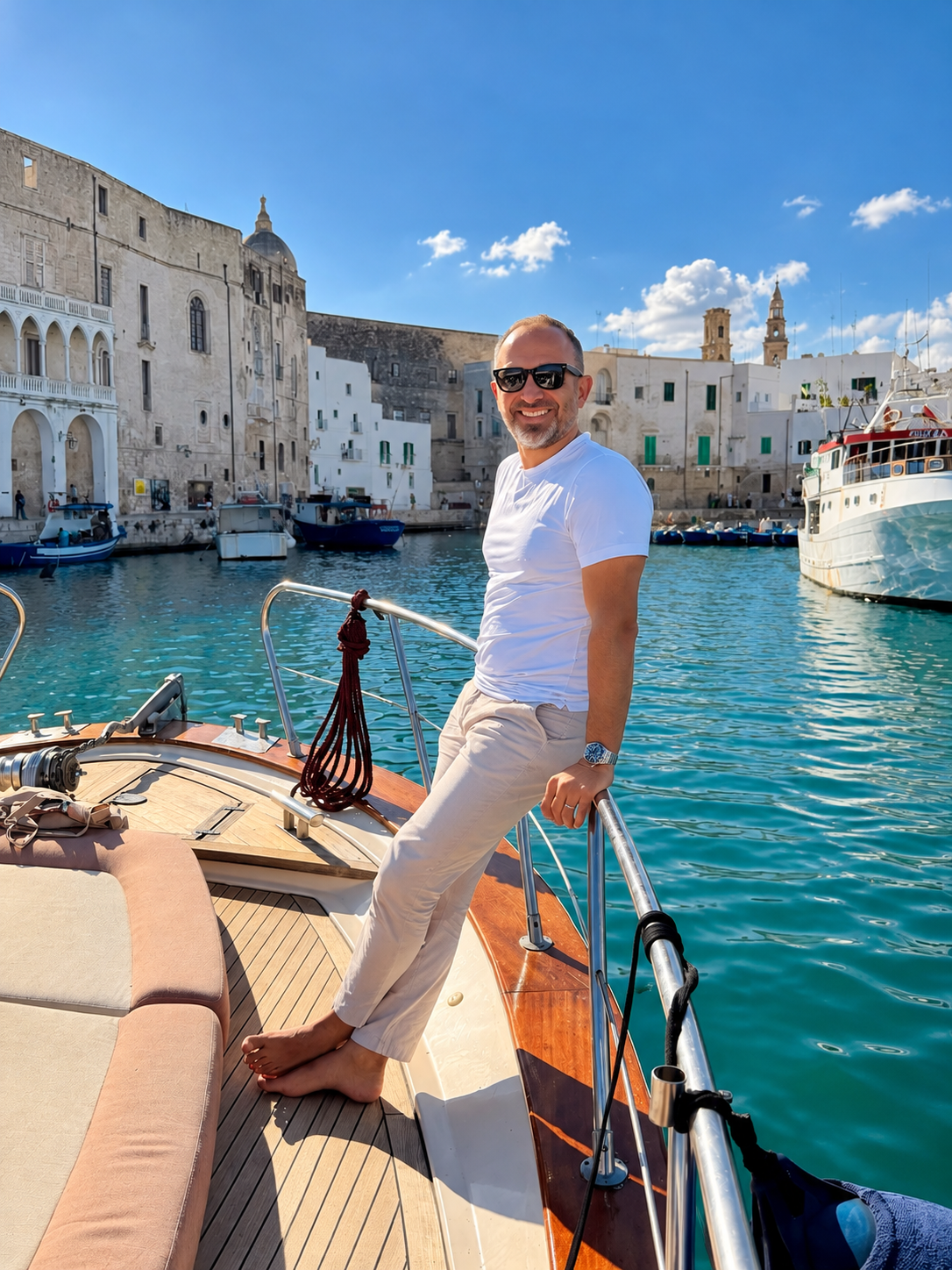
Later that afternoon, Massimo welcomed us aboard one of Puglia Paradise’s private boat to experience Polignano a Mare from the sea—the way he believes it should be seen.
As we pulled away from the shore, the limestone cliffs rose dramatically above us while the town slowly revealed an entirely different face. The Adriatic shimmered in endless shades of blue, the late afternoon sun dancing across the water with every gentle wave.
Massimo had thought of everything. Chilled local wine waited on board, accompanied by small Puglian delicacies. Glasses caught the sunlight as we toasted to the coastline unfolding before us. It wasn’t simply a boat excursion; it felt like spending an afternoon with friends who wanted to share the place they love most.
We drifted along hidden sea caves carved over thousands of years by wind and water. Inside, the sea transformed into brilliant shades of emerald and sapphire as sunlight filtered through narrow openings in the rock. For long moments, no one spoke. There was nothing to add. The silence belonged to the sea.
It was one of those rare travel experiences that cannot be planned from a guidebook. It happened because someone who calls this coastline home wanted us to experience it through his eyes.
One of the greatest privileges of traveling with Massimo was that every destination came with context.
He never rushed toward the next stop.
Instead, he allowed each place to explain itself.
As we continued through the countryside over the following days, we visited beautifully restored masserie tucked behind ancient stone walls, historic trulli standing quietly among olive groves, and villages where daily life unfolded exactly as it had for decades.
At one point I asked him what separates a truly exceptional villa from one that is simply beautiful.
His answer revealed a great deal about Puglia Paradise.
“Beauty isn’t enough,” he said.
“A house has to belong here.”
He explained that a villa should feel connected to its surroundings rather than designed to impress them. Local stone. Natural materials. Simplicity. Proportion.
If a property feels disconnected from the landscape, no matter how luxurious it may be, it isn’t right for Puglia Paradise.
He also spoke about something many travelers never consider.
Behind every villa is a family.
The relationship between Puglia Paradise and its property owners is built over years, sometimes decades. Shared values matter just as much as beautiful architecture.
Hospitality, he believes, should be built on trust before business.
That philosophy became even more meaningful when we visited a trullo undergoing restoration.
Standing inside, surrounded by exposed stone and centuries of craftsmanship, it would have been easy to imagine modern renovations transforming the space into something larger and more contemporary.
Instead, Massimo described restoration almost as an act of listening.
The thick walls remain because they belong there.
The original proportions remain because they tell the building’s story.
Whenever possible, the original stones are carefully reused, each one returning to its place through the hands of local craftsmen who understand techniques passed from one generation to the next.
Modern comforts can be introduced.
History should never be erased.
That distinction says everything about Puglia.
Our days unfolded naturally, never feeling planned despite being beautifully organized.
One afternoon we arrived at Osteria Antichi Sapori, tucked into the countryside in the Canale di Pirro valley.
Lunch became another lesson in understanding Puglia.
Fresh burrata.
Creamy ricotta.
Local cheeses.
Delicate capocollo.
Handmade orecchiette prepared exactly as they have been for generations.
The owner moved easily between tables, introducing dishes with quiet pride rather than performance.
Nothing felt curated for visitors.
This was simply lunch.
The kind local families have celebrated for decades.
As we lingered over the final course, Massimo smiled.
“Puglia reveals itself through food.”
He was right.
Not because of recipes.
Because every meal tells the story of the land that produced it.
The following day brought us to Monopoli.
Fishing boats rested in the harbor as fishermen prepared their nets for another day at sea. Children crossed small piazzas without paying attention to tourists photographing nearby churches. Laundry moved gently from balconies above narrow streets where neighbors stopped to talk.
Monopoli never felt like a destination created for visitors.
It felt like a town gracious enough to let visitors share it for a while.
That authenticity, Massimo believes, is one of Puglia’s greatest strengths.
“It isn’t polished,” he told me.
“It is generous.”
That distinction stayed with me.
Many places become less themselves as tourism grows.
Puglia, somehow, still feels remarkably comfortable in its own identity.
Eventually we reached Ostuni.
Even from a distance, the White City seemed to glow above the surrounding countryside.
As we climbed toward its historic center, narrow streets revealed hidden staircases, flowering balconies, quiet courtyards, and sweeping views stretching all the way to the Adriatic.
Every turn offered another photograph.
Every corner offered another reason to put the camera away.
We paused for lunch at Paragon 700, a beautifully restored seventeenth-century palazzo where history and contemporary design exist in perfect conversation.
Sitting in its peaceful courtyard, I found myself reflecting on everything I had experienced during the previous days.
Before arriving, I believed luxury travel meant discovering exceptional places.
Puglia was teaching me something different.
Perhaps that is the greatest luxury of all—not discovering a beautiful place, but finding one that has never forgotten who it is. Through Massimo Valentini and Puglia Paradise, I didn’t simply see Puglia; I was invited into its heart. Into its stories, its people, its tables, and its timeless rhythm. Long after the photographs fade and the journey becomes memory, what remains is something far more enduring: the rare privilege of having experienced a place that quietly changes you, simply by allowing you to belong.
Words by Elena Vasilevsky